When most people hear the word physiotherapy, they imagine exercises for muscles, stretches for tight joints, or treatments for injuries. But there’s one system that quietly controls everything you do — from walking to writing to keeping your balance — and many people don’t realize how important it is.
What Is the Nervous System?
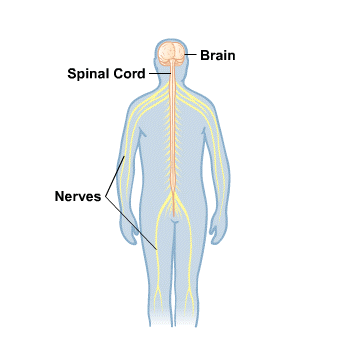
Think of your nervous system as your body’s control center. It has three major parts:
Brain – the main decision-maker
Spinal cord – the communication highway
Nerves – the “wires” sending messages to every muscle and organ
Every movement you make begins here. Before a muscle works, your brain sends a message through the spinal cord to the muscle. When you touch something hot, nerves send signals back to your brain instantly. It’s happening every second, even if you don’t notice it.
Physiotherapy is More than Muscles
Physios don’t just treat muscles and joints. We also assess how well your brain and nerves are controlling your body.
That’s why during an assessment, a physiotherapist may check:
1. your reflexes
2. your sensation
3. your coordination
4. your balance
5. your reaction time
6. your muscle tone
These tests help us understand where your symptoms are coming from. Different outcome indicates different cause whether its the muscles, the nerves, or both.
Why Neuro Matters in Everyday Problems.
Many common complaints actually involve the nervous system, even if they feel like “muscle pain.” Examples include:
– tingling or numbness at the limb
– nerve compression (like carpal tunnel)
– chronic pain
– dizziness
– weakness after injury
– poor coordination of hand and leg
– balance issues when standing and walking even sitting.
Why Understanding Neuro Matters
When you understand the nervous system, you understand why:
– some movements are difficult
– symptoms come and go
– recovery takes time with neuro problems
– repetition is important for relearning
– early rehab makes a difference in preventing secondary complication.
It helps you see physiotherapy as more than exercise — it’s a partnership between the body and the brain.
Welcome to the Neuro category where we’ll explore topics on how your brain controls movement, why nerves cause pain, simple neuro facts you can apply daily, how physio helps after stroke or nerve injuries and tips to keep your brain and nerves healthy.
Our goal: To help you understand how your body and brain work together, in the simplest way possible.
Let’s learn how movement truly begins — from the inside out.