Training Smarter: Why Recovery Is Part of Performance
For many athletes, improvement is often associated with pushing harder, training longer, and doing more. While discipline and consistency are important, performance is not built through training alone. Real progress happens when the body is given the opportunity to recover, adapt, and rebuild.
At Relive, we frequently see athletes who are committed to their sport but overlook one critical component of performance: recovery.
Recovery is not the opposite of training. It is part of training.
Why Recovery Matters
Every training session places stress on the body.
Muscles break down.
Energy stores are depleted.
The nervous system becomes fatigued.
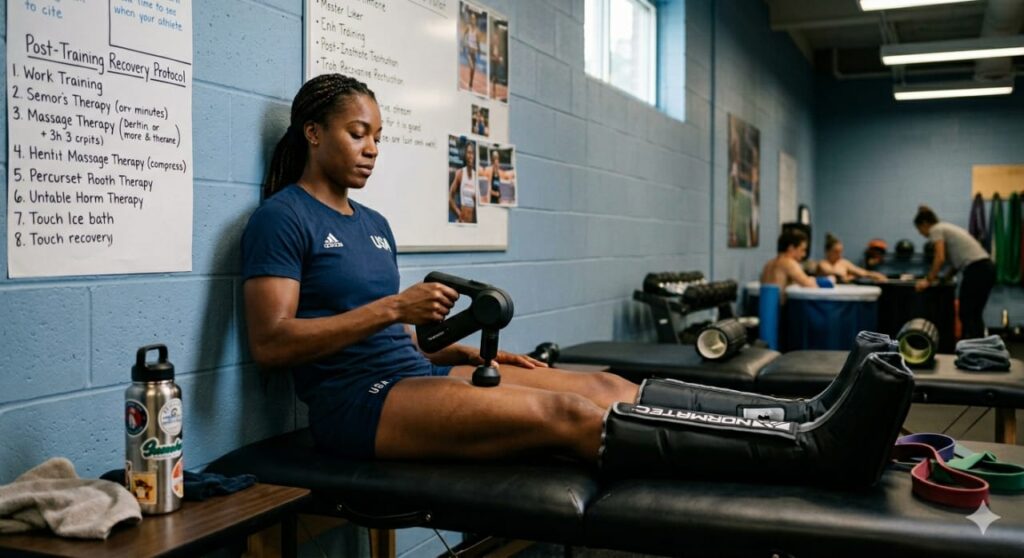
Recovery is the process that allows the body to adapt positively to that stress. Without sufficient recovery, the body cannot fully repair itself, increasing the risk of:
- Fatigue accumulation
- Reduced performance output
- Persistent soreness
- Poor movement quality
- Increased injury risk
Training creates the stimulus. Recovery is what allows progress to happen.
The Difference Between Productive Fatigue and Overtraining
Feeling challenged after training is normal.
Constant exhaustion is not.
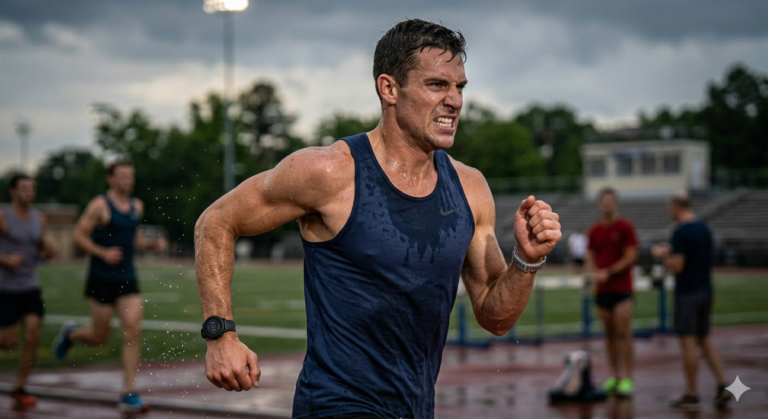
One of the most common mistakes athletes make is assuming that more intensity automatically leads to better results. In reality, excessive training without adequate recovery often leads to diminishing performance.
Signs of poor recovery may include:
- Lingering muscle soreness
- Reduced strength or endurance
- Difficulty sleeping
- Increased irritability or low motivation
- Slower reaction times
- Recurring aches and tightness
When recovery is consistently insufficient, the body begins to compensate — and injury risk increases.
Recovery Is More Than Rest
Recovery is not simply taking a day off. Effective recovery involves multiple systems working together to restore the body.
1. Sleep
Sleep remains the most powerful recovery tool available to athletes.
During sleep, the body:
- Repairs tissue
- Restores hormonal balance
- Consolidates motor learning
- Recharges the nervous system
Poor sleep quality can significantly affect performance, coordination, and recovery speed.
2. Nutrition and Hydration
Recovery requires fuel.
Proper nutrition helps:
- Replenish glycogen stores
- Repair muscle tissue
- Reduce inflammation
- Support energy production
Hydration is equally important, particularly for athletes involved in high-intensity or endurance sports.
3. Active Recovery
Not every recovery day needs to be passive.
Low-intensity movement such as:
- Walking
- Mobility work
- Cycling
- Light swimming
can help improve circulation and reduce stiffness without overloading the body further.
4. Managing Nervous System Fatigue
Performance is not only muscular — it is neurological.
High training stress, work demands, lack of sleep, and emotional stress all contribute to nervous system fatigue. Over time, this affects:
- Coordination
- Reaction time
- Decision-making
- Movement quality
Recovery strategies must account for both physical and mental stressors.
Why Athletes Need Individualised Recovery
Not every athlete recovers at the same rate.
Factors such as:
- Training intensity
- Sport demands
- Age
- Injury history
- Lifestyle stress
- Sleep quality
all influence recovery capacity.
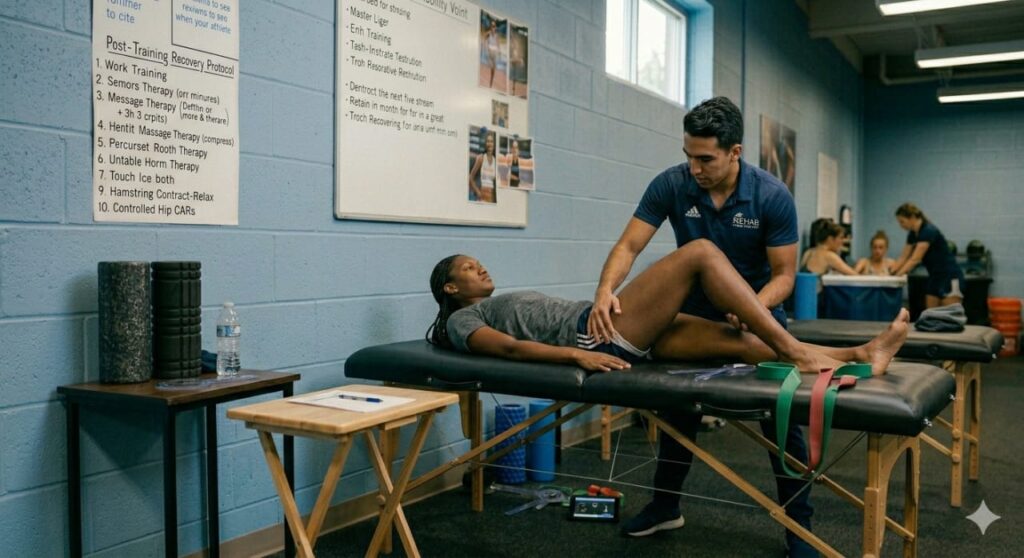
This is why generic recovery advice often falls short. Effective recovery planning should reflect the individual athlete and their specific demands.
The Link Between Recovery and Injury Prevention
Fatigued bodies move differently.
As fatigue accumulates:
- Technique deteriorates
- Joint control decreases
- Compensations increase
- Force absorption becomes less efficient
This creates an environment where injuries are more likely to occur.
At Relive, recovery is integrated into rehabilitation and performance planning because sustainable performance depends on how well the body recovers between sessions — not just how hard it trains.
Training Smarter, Not Just Harder
The highest-performing athletes are not necessarily the ones who train the most. They are often the ones who manage training and recovery most effectively.
Recovery allows athletes to:
- Maintain consistency
- Improve performance quality
- Reduce injury risk
- Adapt to higher training loads over time
This is what sustainable progress looks like.
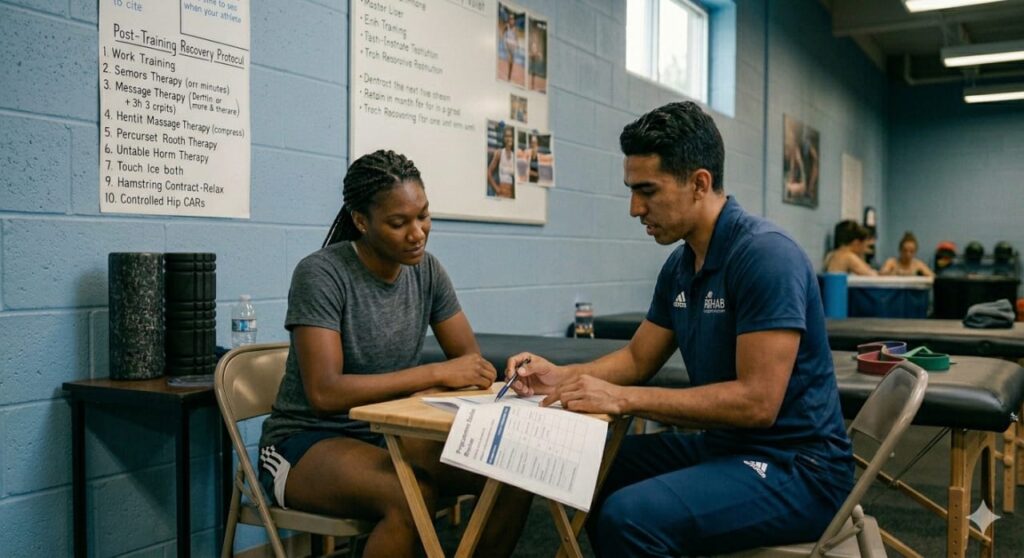
At Relive, Recovery Is Part of the Performance Process
Our approach extends beyond treatment and exercise prescription.
We help athletes understand:
- How their body responds to stress
- When to push and when to recover
- How to manage fatigue effectively
- What recovery strategies truly support performance
Because long-term performance is not built through burnout.
It is built through balance, consistency, and intelligent recovery.