Waking up with neck pain can be frustrating. Some people feel stiffness that improves after moving around, while others experience pain that lasts throughout the day. A relax muscles, in awkward position for a long time. Once wakes up, becomes painful. Understanding the possible causes can help you manage the issue and prevent it from returning.
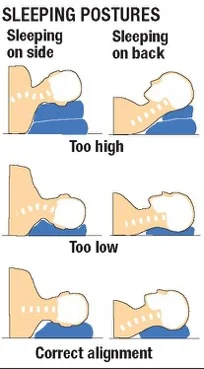
Sleep Position and Pillow Support Matter
Your sleeping posture and pillow support play a major role in neck comfort.
Side sleeping
– Pillow should support the space between the neck and shoulder – Pillow too high or too low may strain the neck
Back sleeping
– Often places less stress on the neck – Pillow should support the natural curve of the neck
Stomach sleeping
– May contribute to neck discomfort as the neck stays rotated for long periods
Prolong awkward position during sleeping leads to strain on neck muscles. Hence why you feelpain even with the slightest movement.
Some may say they have ergonomic pillow but why the pain still there?
Memory foam or ergonomic pillows may help by supporting a more neutral neck position, but the “best” pillow depends on your body shape, sleeping posture, and comfort.
Signs your pillow may contribute to neck pain:
– Neck stiffness on waking
– Frequent tossing and turning
– Pain worse after sleep and improves with movement
– Old or unsupportive pillow
2. Daily Habits and Ergonomics Matter Too
Daily habits may overload the neck and shoulders, including:
– Looking down at phones or laptops – Poor workstation setup – Rounded shoulders – Upper trapezius overuse – Stress-related muscle tension – Long periods in one position
These muscles and joints may already be irritated before bedtime, making symptoms more noticeable in the morning.
3. Overnight Stiffness Can Happen
We move less during sleep, which may increase joint and muscle stiffness.
This may cause:
– Pain or stiffness on waking – Difficulty turning the head – Symptoms that gradually improve after movement
4. When Should You Seek Assessment?
Consider further assessment if neck pain:
– Persists for several days – Happens frequently – Spreads into the shoulder or arm – Comes with numbness, tingling, or headaches which nerve is involved – Causes significant movement restriction. Most probably muscle tightness that can lead to joint stiffness
How Physiotherapy Can Help
Physiotherapy aims to identify the source of symptoms, not just manage pain.
Treatment may include:
– Postural and ergonomic assessment – Manual therapy or muscle release when appropriate – Mobility and strengthening exercises – Advice on sleep posture and load management
Waking up with neck pain is common, but it should not become your “normal.” Understanding the cause is the first step toward better neck health.