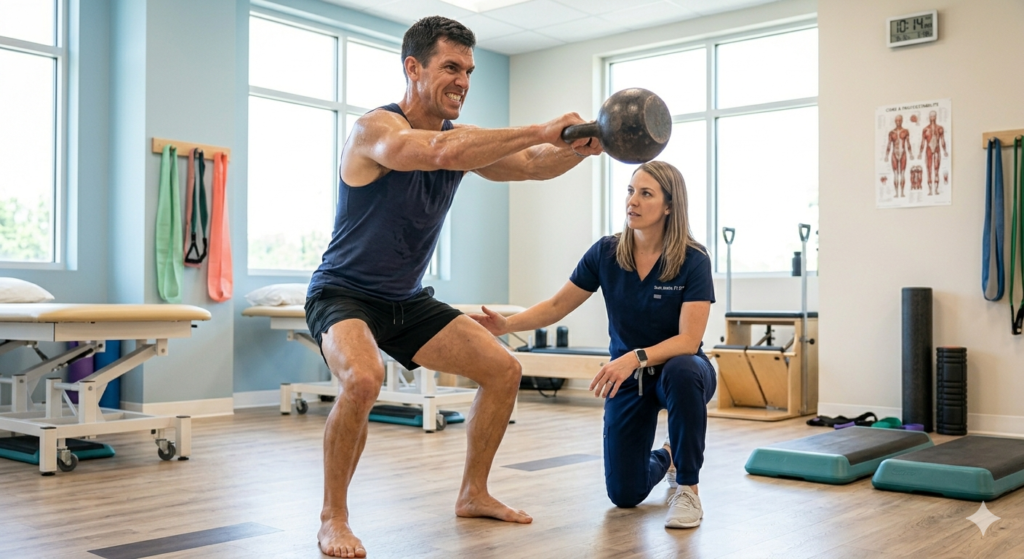

Staying in the Game: How Load Management Keeps Athletes Injury-Free and Performing at Their Best

Staying in the Game: How Load Management Keeps Athletes Injury-Free and Performing at Their Best

Staying in the Game: How Load Management Keeps Athletes Injury-Free and Performing at Their Best

Returning to sport is a milestone.
But staying in sport β€” consistently, without setbacks β€” is the real challenge.

Many athletes successfully complete rehabilitation and pass return-to-sport testing, only to find themselves dealing with recurring pain weeks or months later. The issue is rarely a lack of effort. More often, it comes down to one critical factor: load management.

At Relive, we see load management as the bridge between short-term recovery and long-term performance.

 What Is Load Management?

Load refers to the total stress placed on the body β€” not just from training, but from all physical activity.

This includes:

  • Training intensity and volume
  • Frequency of sessions
  • Competition demands
  • Recovery time between sessions

Load management is the process of balancing these factors to match the athlete’s current capacity.

Too little load, and performance stagnates.
Too much load, and injury risk increases.

Why Athletes Get Injured After Returning to Sport

After rehabilitation, athletes are often:

  • Physically cleared
  • Motivated to perform
  • Eager to return to full intensity

However, their capacity may not yet match the demands of their sport.

Common scenarios include:

  • Increasing training volume too quickly
  • Returning to competition intensity too soon
  • Skipping progressive loading phases
  • Underestimating fatigue accumulation

This mismatch between load and capacity is one of the leading causes of reinjury

The Balance Between Load and Capacity
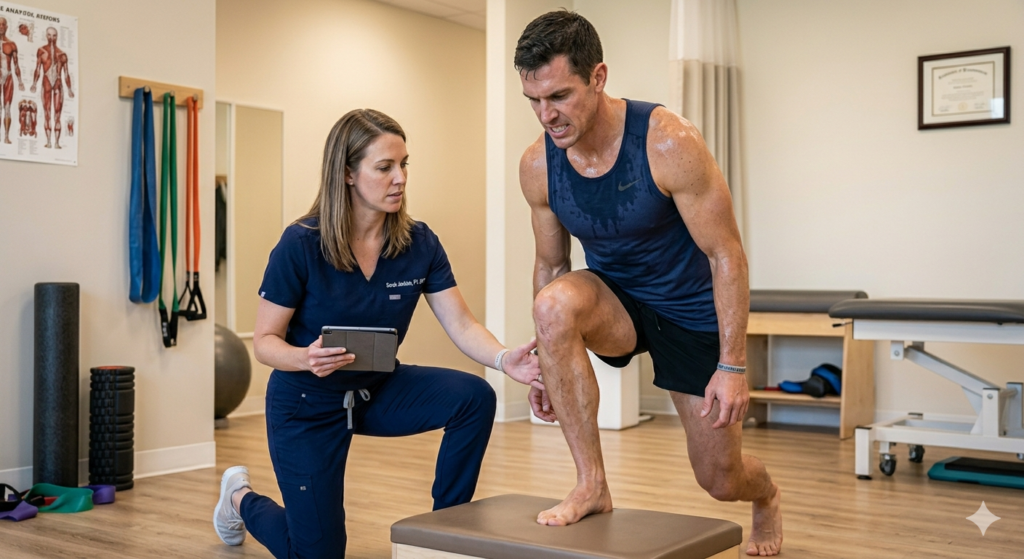
Think of performance as a balance:

πŸ‘‰ Load = what you do
πŸ‘‰ Capacity = what your body can handle

When load consistently exceeds capacity, the body begins to break down.
When load is appropriately managed, the body adapts and becomes stronger.

Our role is to ensure that:

  • Load increases progressively
  • Capacity is built alongside it
  • Recovery is optimised

Key Principles of Effective Load Management

1. Gradual Progression

Sudden spikes in activity are a major risk factor for injury.

We guide athletes to:

  • Increase intensity progressively
  • Build volume over time
  • Avoid sharp weekly load increases

Consistency matters more than intensity.

2. Monitoring Fatigue and Recovery

Fatigue is not always obvious.

We monitor:

  • Muscle soreness
  • Movement quality
  • Energy levels
  • Performance output

These indicators help us adjust training before problems arise.

3. Sport-Specific Demands

Different sports place different loads on the body.

  • Runners: repetitive impact and mileage
  • Climbers: grip endurance and shoulder loading
  • Team sports: acceleration, deceleration, contact

Load management must reflect these demands to be effective.

4. Individualised Programming

No two athletes respond the same way.

Factors we consider:

  • Injury history
  • Training age
  • Current fitness level
  • Competition schedule

This ensures training remains both safe and effective.

From Short-Term Recovery to Long-Term Performance

Rehabilitation helps you return.
Load management helps you stay.

Athletes who understand and apply load management:

  • Train more consistently
  • Recover more effectively
  • Reduce injury recurrence
  • Improve performance over time

This is where real progress happens β€” not in isolated sessions, but in sustained, well-managed training.

At Relive, We Build Athletes for the Long Run

Our approach does not end when pain disappears or when you return to sport.

We guide athletes beyond recovery β€” into sustainable performance.

By managing load effectively, we help you:

  • Train with confidence
  • Avoid unnecessary setbacks
  • Build resilience over time
  • Perform at your best, consistently

Because the goal is not just to get back into the game β€”
it is to stay in it.