Strength That Transfers: Why Athletes Need More Than Just Gym Strength
Being strong in the gym does not automatically mean being ready for sport.
An athlete may be able to squat heavy, perform multiple pull-ups, or lift impressive numbers, yet still struggle with the speed, control, coordination, and repeated demands of their sport.
This is where the difference between general strength and sport-specific strength becomes important.
At Relive, strength is not simply about how much weight an athlete can move. It is about whether that strength can be used effectively when the demands of sport become faster, more unpredictable, and more challenging.
Strength Is the Foundation, Not the Finish Line
Building strength is an essential part of injury rehabilitation and athletic development.
Stronger muscles can improve joint support, increase physical capacity, and help the body tolerate greater loads. But traditional strength exercises are usually performed in relatively controlled environments.
Sport rarely happens that way.
Athletes may need to accelerate, decelerate, change direction, land, rotate, reach, react, or repeatedly produce force while fatigued.
The next stage of training is therefore about teaching the body to apply strength when and where it matters.
From Strength to Control
Producing force is only one part of athletic performance. Being able to control that force is equally important.
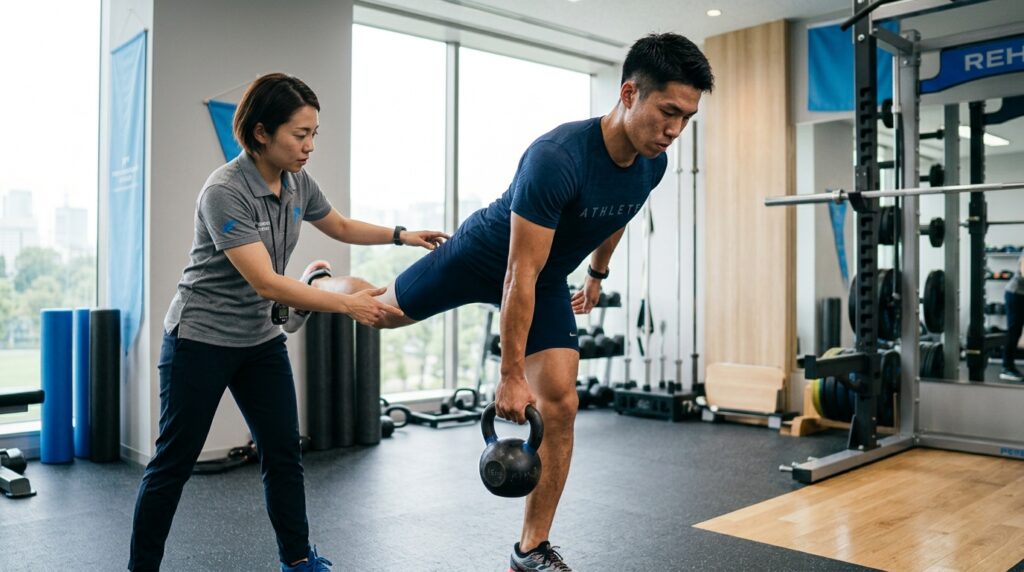
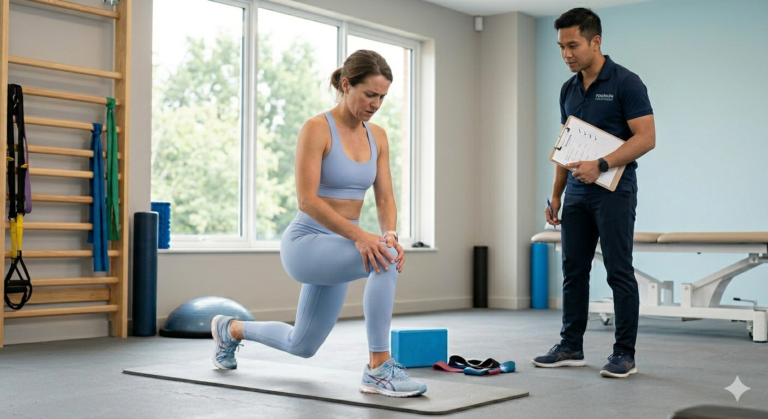
Consider a runner landing on one leg, a badminton player lunging towards the net, or a climber controlling their body through a difficult movement.
In each situation, the athlete must absorb and control forces before producing the next movement.
This requires a combination of:
- Strength
- Balance
- Coordination
- Joint stability
- Movement control
An athlete can be strong but still lack control during fast or demanding movements.
The Importance of Deceleration

Athletic training often focuses on moving faster, jumping higher, or becoming more powerful.
But athletes also need to be good at slowing down.
Deceleration happens when the body absorbs force during movements such as landing from a jump, stopping after a sprint, changing direction, or lowering the body into a deep sporting position.
Poor control during these moments can place greater stress on muscles, tendons, and joints.
That is why rehabilitation and performance programmes should prepare athletes not only to generate force, but also to absorb it safely.
Making Strength Sport-Specific
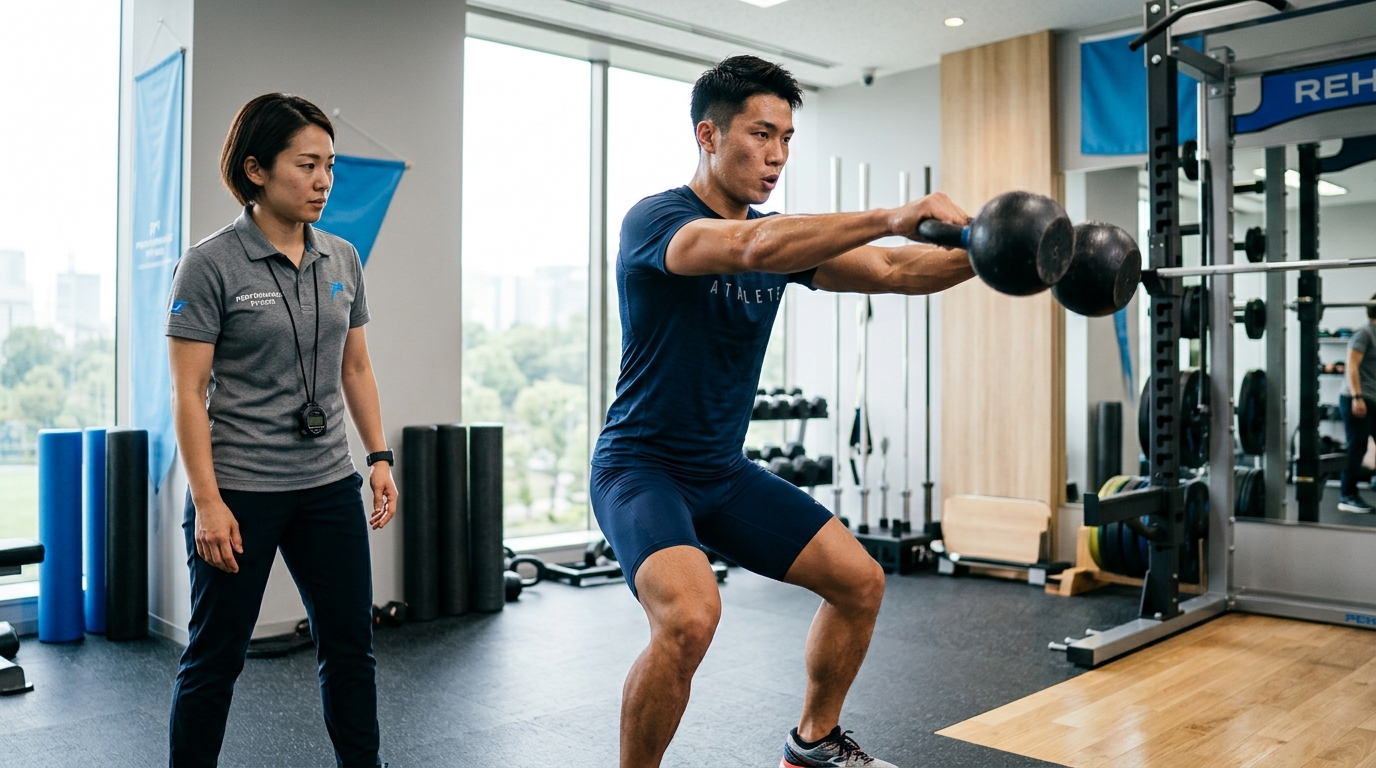
As an athlete progresses, exercises should gradually begin to resemble the demands they will experience in their sport.
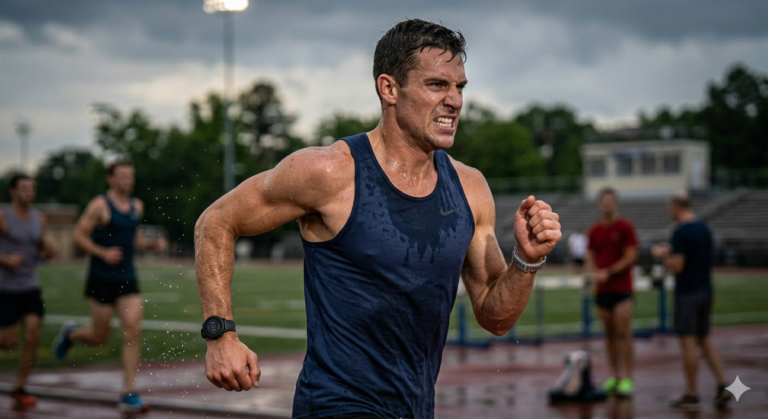
For a runner, this may involve single-leg strength, calf capacity, and repeated impact.
For a climber, it may involve pulling strength, shoulder control, grip demands, and body tension.
For a racquet sport athlete, training may include lunging, rotational strength, rapid direction changes, and deceleration.
The goal is not to perfectly recreate the sport inside the gym. Instead, training should develop the physical qualities required to perform those movements effectively.
Strength Under Fatigue Matters Too
Most athletes can perform well when they are fresh.
The challenge comes later in a training session, match, race, or competition.
As fatigue increases, movement quality can change. Control may decrease, reaction times may slow, and athletes may begin relying on compensatory strategies.
This is why later stages of rehabilitation may include repeated movements, higher workloads, and controlled training under fatigue.
We want to know that the athlete can maintain quality movement not only during the first repetition, but when their sport becomes demanding.
Progressing Beyond Traditional Rehabilitation
Earlier in rehabilitation, exercises may be intentionally simple and controlled. This allows athletes to rebuild strength, mobility, and confidence safely.
But rehabilitation should evolve.
As capacity improves, training can progress from:
Controlled → Dynamic
General → Sport-specific
Predictable → Reactive
Low demand → Higher demand
This progression helps bridge the gap between rehabilitation exercises and the realities of sport.
What Does Performance-Ready Strength Look Like?
There is no single exercise or strength number that determines whether an athlete is ready.
Instead, we look at how different physical qualities work together.
Can the athlete produce enough force?
Can they control it?
Can they repeat the movement?
Can they maintain that quality under fatigue?
And most importantly, can they do it in a way that reflects the demands of their sport?
These questions give us a much better picture of athletic readiness than strength alone.
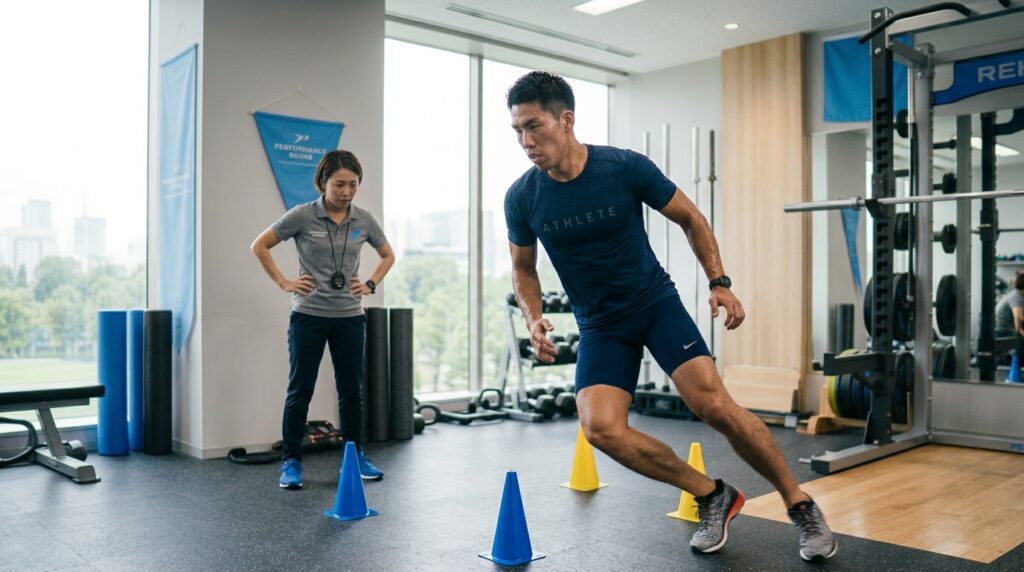
At Relive, We Build Strength With a Purpose
Getting stronger is important.
But for athletes, strength should ultimately serve movement and performance.
Our approach is to progressively bridge the gap between rehabilitation and sport by helping athletes develop the strength, control, capacity, and confidence required for the activities they want to return to.
Because the goal is not simply to become stronger in the gym.
It is to become stronger for your sport.