Have you ever noticed your neck feeling sore after scrolling through social media or working on your laptop for hours?
You’re not alone. With smartphones becoming part of our daily lives, more people are experiencing what healthcare professionals commonly call ” Tech Neck“- neck pain and stiffness caused by spending long periods loking down at digital devices.
What is Tech Neck?
Tech neck refers to the strain placed on your neck, shoulders and upper back when your head is held in a forward and downward position for extended periods.
On average, adults spend several hours each day using smartphones, tablets or computers. Overtime, this repeated posture can overload the muscles and joints in the neck.
Why does looking down hurt ?
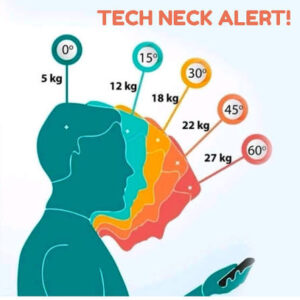
Your head weighs approximately 4–6 kg. When your head is balanced over your shoulders, your neck supports this weight efficiently.
However, as you tilt your head forward, the load on your neck increases significantly. The further your head moves forward, the harder your neck muscles have to work to support it.
Imagine carrying a heavy shopping bag close to your body—it feels manageable. Now hold the same bag with your arm stretched out. It suddenly feels much heavier. Your neck experiences a similar increase in strain when your head is positioned forward.
Common Symptoms of Tech Neck
You may experience:
– Neck pain or stiffness – Tight shoulders, especially the upper trapezius muscles – Headaches that begin at the base of the skull – Pain between the shoulder blades – Reduced ability to turn your head comfortably – Fatigue or aching after prolonged phone or computer use – Occasionally, numbness or tingling into the arm if a nerve becomes irritated
Who Is at Risk?
Tech neck can affect anyone, but it is especially common among:
– Office workers – Students – Gamers – Drivers using navigation devices – People who frequently use smartphones or tablets
How to Prevent Tech Neck
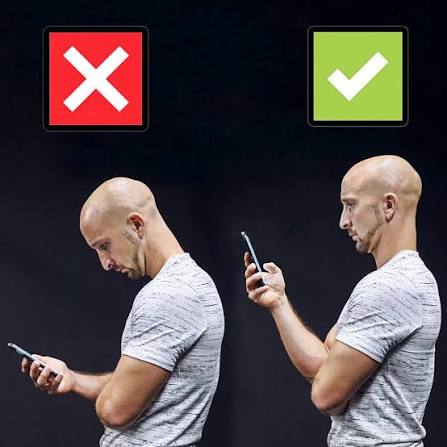
1. Raise Your Screen : Hold your phone closer to eye level whenever possible instead of constantly looking down.
2. Take Movement Breaks : Aim to change position every 30–60 minutes. Even one or two minutes of walking or stretching can help reduce stiffness.
3. Strengthen Your Neck and Upper Back : Strong muscles help support good posture and reduce strain during daily activities.
4. Stretch Tight Muscles : Regularly stretch your chest, upper trapezius, and neck muscles if they feel tight.
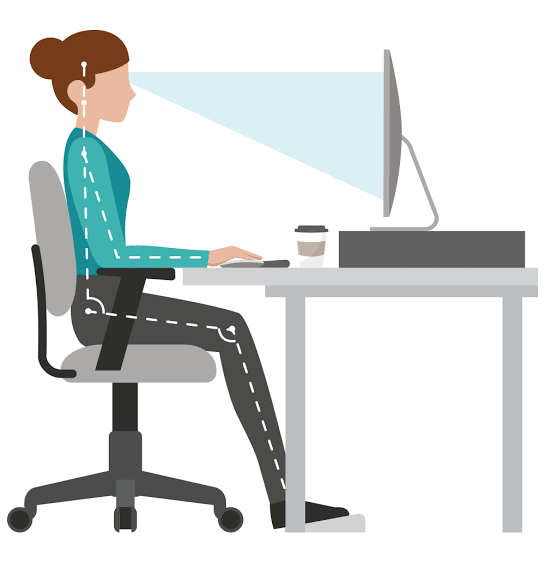
5. Set Up an Ergonomic Workstation : Position your computer monitor at eye level, keep your shoulders relaxed, and support your lower back while sitting
When Should You See a Physiotherapist?
If your neck pain:
– Lasts longer than one to two weeks – Keeps returning despite rest – Causes headaches frequently – Travels into your shoulder or arm – Is accompanied by numbness, tingling, or weakness
A physiotherapy assessment can help identify the source of your symptoms and provide a personalised treatment plan.
Smartphones have become an essential part of everyday life, but your neck wasn’t designed to stay bent forward for hours at a time.
Small changes—such as improving your posture, taking regular movement breaks, and strengthening your neck and upper back—can make a big difference.
If neck pain is affecting your work, sleep, or daily activities, don’t ignore it. Early assessment and treatment can help you move more comfortably and prevent the problem from becoming long-term.