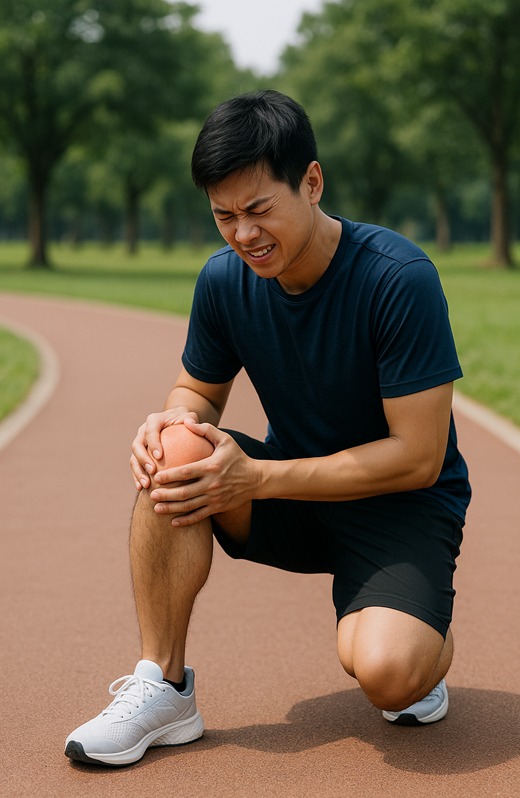
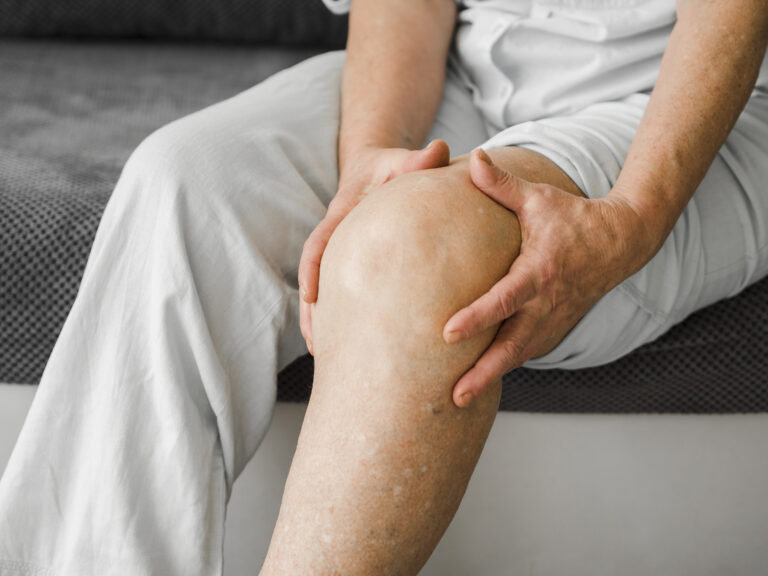
Many Malaysians believe running damages the knees, but science says otherwise. Learn the real causes of knee pain, how to prevent injuries, and when to seek physiotherapy at Relive Physio Aman Suria.
🧭 Why This Question Matters
You’ve probably heard someone say:
“Running will wear out your knees.”
It’s one of the most common fears among new runners — and even some seasoned ones. At Relive Physiotherapy & Rehabilitation, we meet many patients who stopped running because of knee pain or worry they’ll develop osteoarthritis.
But here’s the truth: running doesn’t automatically damage your knees. In fact, research shows that regular, moderate running can strengthen your joints — as long as your muscles, technique, and recovery habits support it.
🧠 The Science Behind It
Studies comparing long-term runners and non-runners found that:
Runners do not have a higher risk of arthritis than non-runners.
Running actually helps maintain healthy cartilage by improving circulation and joint lubrication.
The real problem arises from poor load management — doing too much too soon, weak muscles, or inefficient running form.
So if your knees hurt, it’s not the running — it’s often the way you’re running or the condition of your supporting muscles.
⚠️ Common Causes of Runner’s Knee Pain
At Relive Physio, the most frequent issues we see are:
Weak quadriceps and hip muscles – Without enough strength, your knee joint absorbs more impact with each step.
Sudden mileage increase – Jumping from 3 km to 10 km in a week overloads the joint before it adapts.
Poor running form – Over-striding or collapsing knees during landing adds unnecessary stress.
Unsuitable footwear – Worn-out soles or the wrong type of shoes can misalign your foot and knee mechanics.
Previous injuries not fully rehabilitated – Old ankle sprains or hip tightness can subtly shift your knee loading pattern.
🩺 How Physiotherapy Helps
A physiotherapist doesn’t just treat pain — we find why it started.
At Relive Physio, our runner-specific knee assessment includes:
Movement analysis – observing your running pattern, hip control, and foot strike.
Strength & flexibility testing – identifying imbalance between your thighs, hips, and calves.
Personalised rehab plan – combining manual therapy, mobility drills, and progressive strengthening.
Return-to-run guidance – structured re-loading so you can build distance safely.
Our goal is to help you run pain-free — not to stop running.
💪 5 Tips to Protect Your Knees While Running
Build strength – Focus on quads, glutes, and core 2–3 times per week.
Warm up properly – 5 min brisk walk + dynamic stretches before every run.
Wear the right shoes – Replace them every 600–800 km or when cushioning feels flat.
Listen to your body – Early soreness is a warning, not a weakness.
🧘 When to Seek Help
If you feel persistent pain that doesn’t improve after rest, swelling after every run, or difficulty climbing stairs, it’s time for a professional assessment.
At Relive Physiotherapy Aman Suria, we specialize in sports-related knee rehabilitation. Our team helps runners recover safely, prevent recurrence, and return stronger than before.
Don’t let myths hold you back — protect, strengthen, and Relive your movement.