Sciatica is a term many people hear when they experience pain running from the lower back down into the leg. It can feel sharp, shooting, burning, or like electric sensation – sometimes accompanied by tingling, numbness or weakness.
But sciatica is not actually a diagnosis on its own. It simply describes symptoms caused by irritation of the nerve that travels from you lower back into your leg.
Understanding why sciatica happens can help you manage symptoms early and recover more effectively.
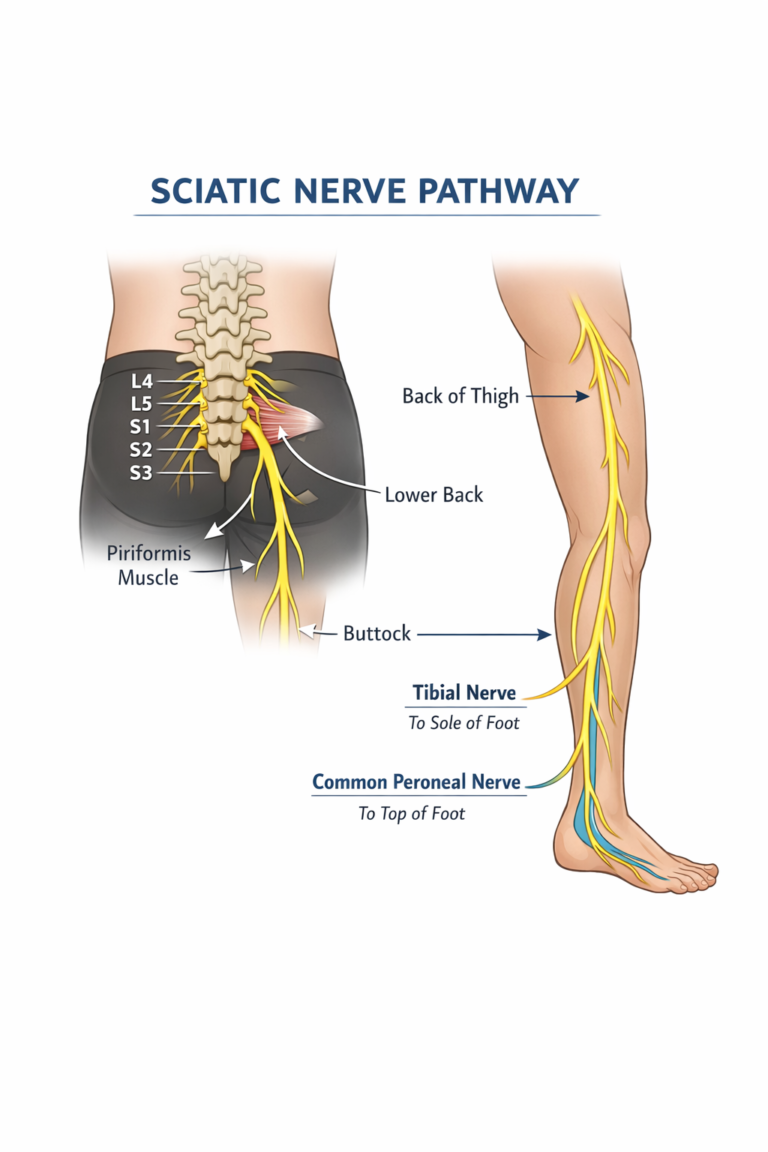
What is Sciatic Nerve ?
The sciatic nerve is the largest nerve in the body. It starts in the lower back, travels through the buttock, an continues down the back of the leg into the foot.
This nerve helps control:
sensation in the leg and foot
movement of certain muscles
reflexes
When this nerve becomes irritated, symptoms can travel along its pathways.
Common Symptoms of Sciatica
People with sciatica may experience;
pain shooting down the leg
burning or electric sensation
tingling or pain and needles
numbness
heaviness in the leg
weakness
symptoms worsen with sitting or bending
How Sciatica happen
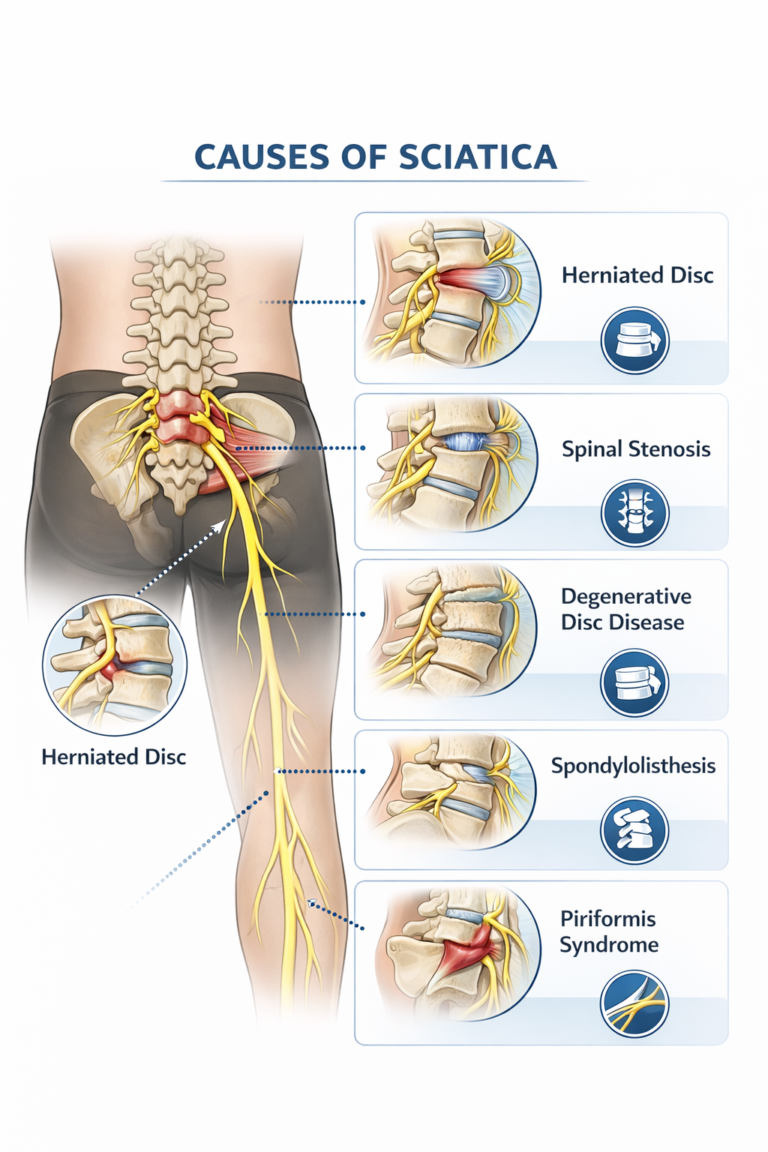
Sciatica usually occurs when something places pressure or irritation on the nerve in the lower back.
Common causes include:
disc bulge or herniation
prolonged sitting or poor posture
spinal stiffness
muscle tightness around the hip or lower back
inflammation
repetitive bending or lifting
Sciatica is one of radiating pain where the nerve root that send signals is disrupted.
Common Myths About Sciatica
Buttock or back pain is sciatica – not all buttock or back pain equal to sciatica, sciatica usually had the same patterns (pain radiates down the leg including tingling and numbness or weakness)
Need complete rest – too much rest can slower recovery; gentle movement is better
Exercise will make it worse – the right exercises, guided properly, help reduce nerve irritation and improve recovery.
It will last forever – most cases improve within weeks to months with the right management
Sciatica can feel scary, but many common beliefs about it are not true. Understanding the facts helps you recover with more confidence and less fear.
Things That Often Help Early
Many people feel relief with :
gentle movement instead of prolonged rest
changing positions regularly
avoiding long periods of sitting
maintaining neutral posture
How to Prevent and Treat Sciatica
Movement is one of the most effective ways to manage and prevent sciatica. The right exercises help reduce pressure on the nerve, improve flexibility and strengthen the muscles that support your spine.
Back extension
stand with hand on hips
gently lean backward
hold 2-3 seconds
repeat 5-10 times
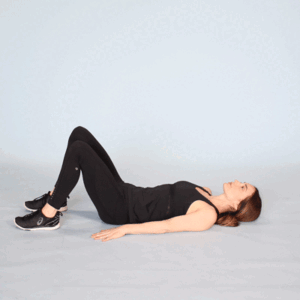
2. Knee-to-chest
Lie flat on your back
bring your knee to chest (together or alternately)
hold 5-8 seconds
repeat 5-10 times
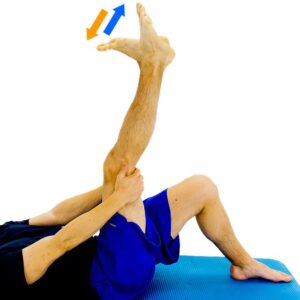
3. Nerve gliding
Lie on your back
lift one leg slightly
slowly straighten and move your ankle up and down
keep movements smooth and controlled
Not all buttock pain or numbness is sciatica- true sciatica typically radiates down the leg, while symptoms limited to the buttock are more often due to muscle or joint issues; however, both can often improve with appropriate exercises such as gentle nerve glides, back stretching and strengthening and core stabilization to reduce pain and restore movement.