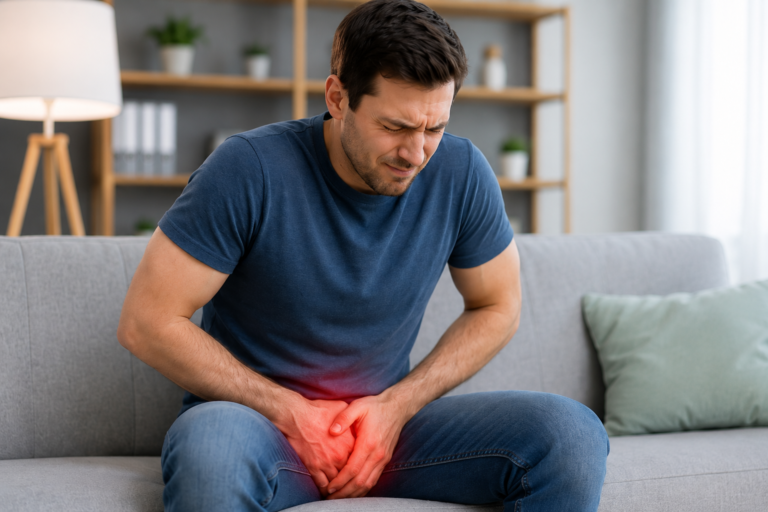
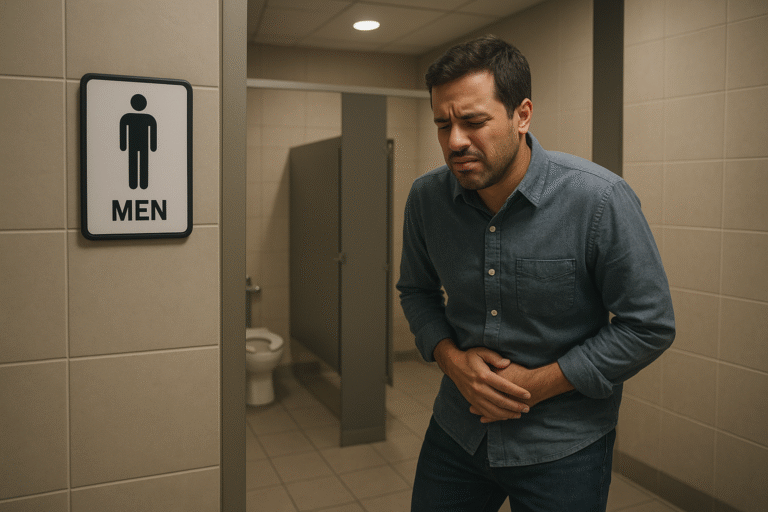
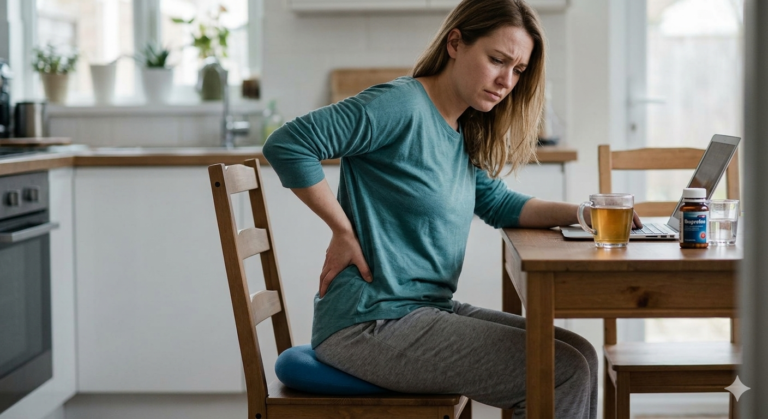
Testicular pain can be uncomfortable, worrying, and disruptive to daily life. While some cases may be caused by infections, injuries, or medical conditions that require immediate medical attention, many men experience persistent or recurring testicular pain without a clear cause.
In some cases, factors such as muscle tension, poor posture, prolonged sitting, stress, or pelvic floor dysfunction may contribute to symptoms. The good news is that certain lifestyle changes can help reduce pain and improve overall pelvic health.
1. Avoid Prolonged Sitting
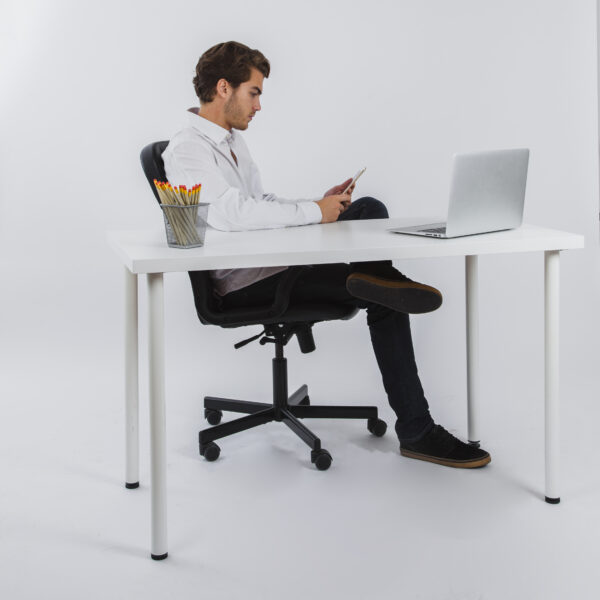
Sitting for long periods can place increased pressure on the pelvic region, potentially irritating muscles, nerves, and tissues around the groin and testicles.
What you can do:
Stand up and move every 30–60 minutes.
Consider using a sit-stand desk if you work at a desk.
Take short walking breaks throughout the day.
Consider using a donut cushion to relief some pressure.
Many patients notice that their symptoms worsen after long drives or extended periods of sitting.
2. Improve Your Posture
Poor posture can contribute to muscle imbalances and increased tension throughout the lower back, hips, and pelvis. These areas are closely connected to the nerves and muscles that may refer pain into the testicles.
Tips for better posture:
Sit with your feet flat on the floor.
Avoid slouching or leaning to one side.
Keep your shoulders relaxed and your spine supported.
Strengthen your core and hip muscles through regular exercise.
3. Manage Stress Levels
Stress and anxiety can increase muscle tension, especially within the pelvic floor muscles. When these muscles become tight or overactive, they may contribute to pelvic, groin, or testicular discomfort.
Stress-management strategies:
Practice deep breathing exercises.
Engage in regular physical activity.
Prioritize adequate sleep.
Consider seeing a psychologist
Many men are surprised to learn that stress can have a significant impact on physical pain symptoms.
4. Stay Physically Active
Regular exercise improves blood circulation, reduces muscle stiffness, and promotes overall health. However, it’s important to find the right balance.
Recommended activities:
Walking
Swimming
Gentle cycling (if it doesn’t aggravate symptoms)
Stretching exercises
Strength training with proper technique
If certain activities worsen your pain, consider consulting a healthcare professional for guidance.
5. Wear Appropriate Support
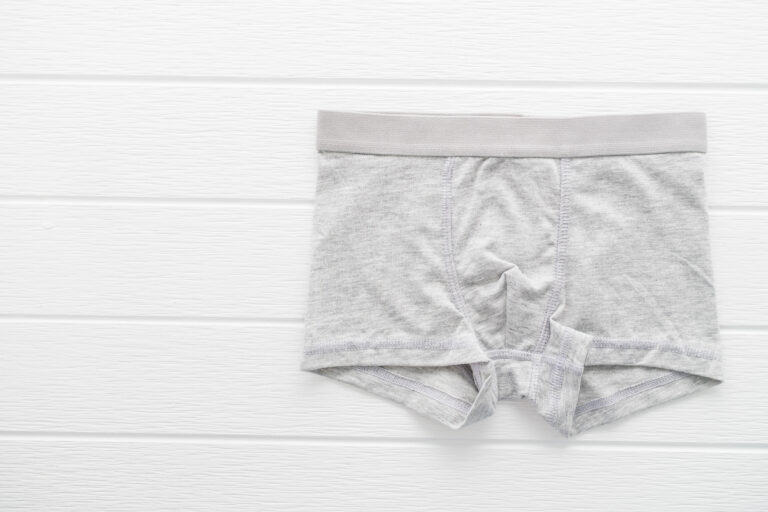
Some men find relief by wearing supportive underwear, especially during exercise or prolonged standing.
Supportive garments may help reduce excessive movement and improve comfort during daily activities.
However, avoid clothing that is excessively tight, as it may increase pressure and irritation.
When Should You Seek Medical Attention?
While lifestyle changes can be helpful, testicular pain should never be ignored.
Seek immediate medical attention if you experience:
Sudden severe testicular pain
Significant swelling
Fever or chills
Nausea and vomiting
A noticeable lump
Pain following trauma
These symptoms may indicate a medical emergency requiring prompt treatment.