Why Athletes Keep Reinjuring the Same Area — And How to Break the Cycle

Why Athletes Keep Reinjuring the Same Area — And How to Break the Cycle

Why Athletes Keep Reinjuring the Same Area — And How to Break the Cycle

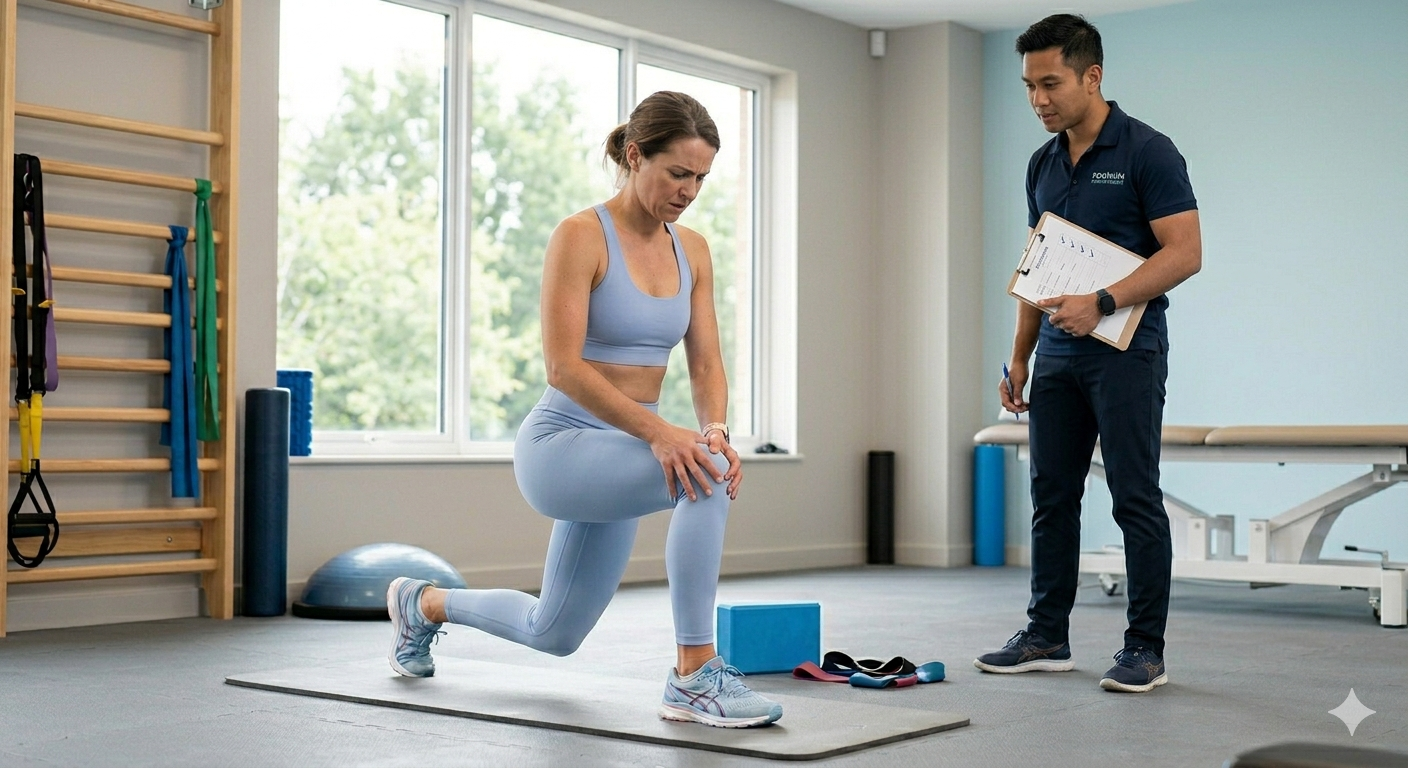
Few things are more frustrating for an athlete than recovering from an injury, returning to sport, and finding themselves dealing with the same problem all over again.

The injury may seem to have healed. The pain may have settled. Training may even have returned to normal.

Yet weeks or months later, the same knee hurts. The same ankle rolls. The same shoulder becomes irritated.

At Relive, we often remind athletes that recurring injuries are rarely caused by bad luck. More often, they are a sign that an underlying issue has not been fully addressed.

Understanding why injuries return is the first step towards breaking the cycle

Pain Relief Does Not Always Mean Full Recovery

One of the biggest misconceptions in sports rehabilitation is believing that the absence of pain means the body has fully recovered.

Pain is only one piece of the puzzle.

Even after symptoms settle, athletes may still have:

  • Strength deficits
  • Reduced mobility
  • Poor movement mechanics
  • Decreased load tolerance
  • Loss of confidence in the injured area

Returning to sport without addressing these factors increases the likelihood of reinjury.

Strength Alone Is Not Enough

Many athletes focus heavily on strengthening the injured area.

While strength is important, recovery also requires:

  • Stability
  • Coordination
  • Movement quality
  • Sport-specific control

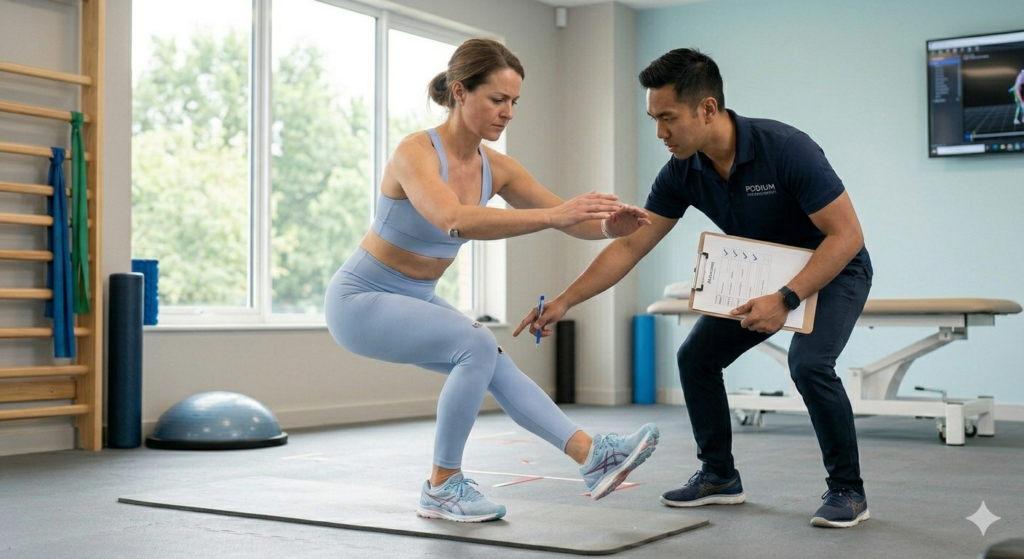
An athlete may have regained strength in a muscle but still struggle to control movement during high-speed, unpredictable sporting situations.

This gap often becomes apparent only after returning to competition.

Returning Too Much, Too Soon

Athletes are naturally motivated to get back to training.

However, returning to previous training volumes too quickly can overwhelm tissues that are still adapting.

Common mistakes include:

  • Increasing training intensity too rapidly
  • Returning to full competition immediately
  • Skipping progressive loading stages
  • Ignoring fatigue signals

Successful return-to-sport requires patience and progression

The Confidence Factor

Recovery is not purely physical.

After an injury, many athletes unconsciously:

  • Protect the injured area
  • Avoid certain movements
  • Hesitate during high-demand activities
These changes can alter movement patterns and place stress elsewhere in the body.

True rehabilitation addresses both physical readiness and confidence in movement
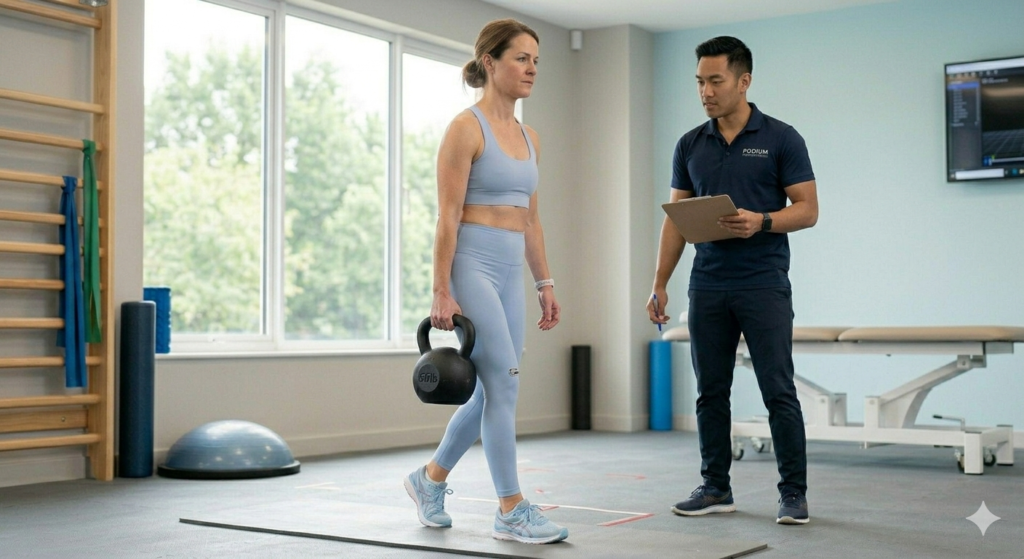
How We Break the Cycle at Relive

Our goal is not simply to help athletes return to sport.

Our goal is to help them stay there.

This means looking beyond symptoms and identifying:

  • Movement compensations
  • Strength asymmetries
  • Mobility restrictions
  • Load management issues
  • Sport-specific demands

By addressing the root cause rather than the symptoms alone, athletes are better equipped to train consistently and perform confidently.

Building Long-Term Resilience

No athlete can completely eliminate injury risk.

However, recurring injuries should not be accepted as normal.

The key is building a body that is resilient enough to handle the demands of training and competition.

This requires:

  • Ongoing strength development
  • Smart load management
  • Effective recovery
  • Quality movement patterns
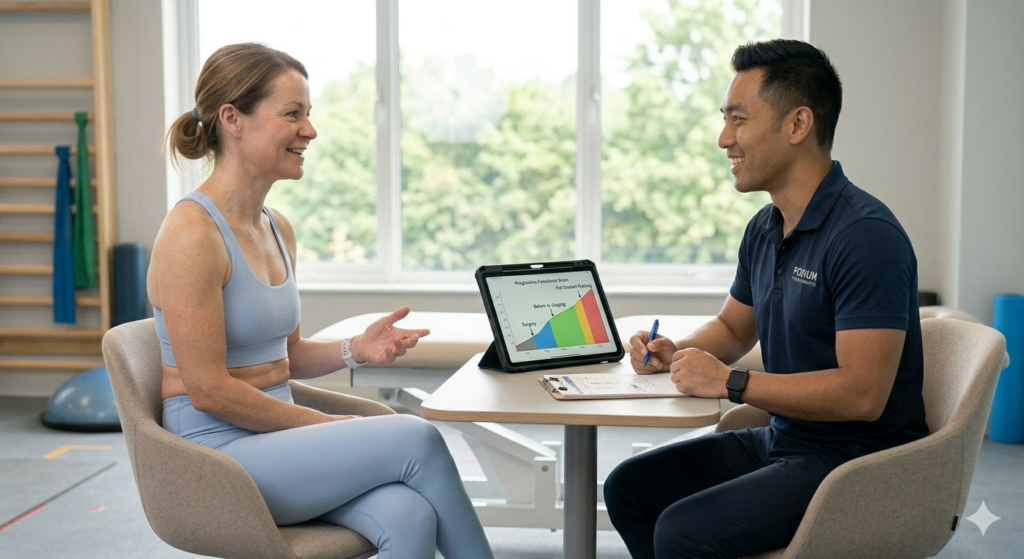
  • Regular reassessment

When these elements work together, athletes spend less time managing setbacks and more time focusing on performance

At Relive, We Focus on More Than Recovery

Recovering from an injury is an important milestone.

But long-term success comes from understanding why the injury happened in the first place.

By addressing the root causes of recurring injuries, we help athletes move beyond short-term fixes and build lasting confidence in their bodies.

Because the goal isn’t just to recover once.

It’s to keep moving forward.