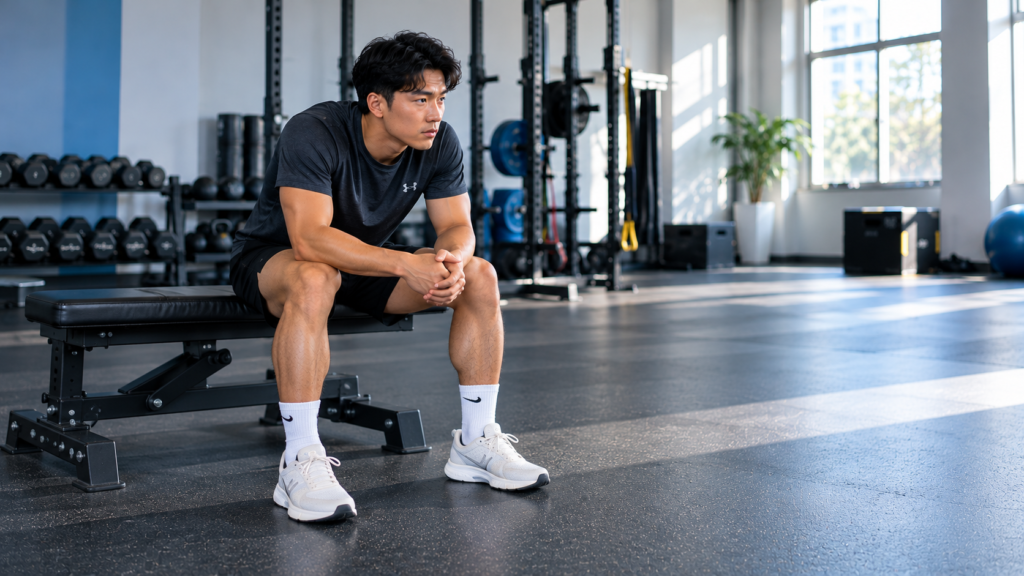
The Mental Side of Recovery: Rebuilding Confidence After Injury
Recovering from a sports injury is not just a physical journey. For many athletes, one of the biggest challenges begins when the pain disappears, strength returns, and rehabilitation progresses towards its final stages.
The body may be ready to move again, but the mind may still hesitate.
A footballer may hesitate before making a tackle. A runner may feel anxious about increasing their pace. A badminton player may avoid lunging towards a difficult shot.
These reactions are not necessarily signs of physical weakness. They can reflect a loss of confidence following an injury.
At Relive, we recognise that successful rehabilitation involves more than restoring physical capacity. It also means helping athletes rebuild trust in their bodies.
Why Injuries Affect More Than the Body
For many athletes, sport is more than exercise. It is part of their routine, identity, and sense of achievement.
An injury can suddenly disrupt all of that.
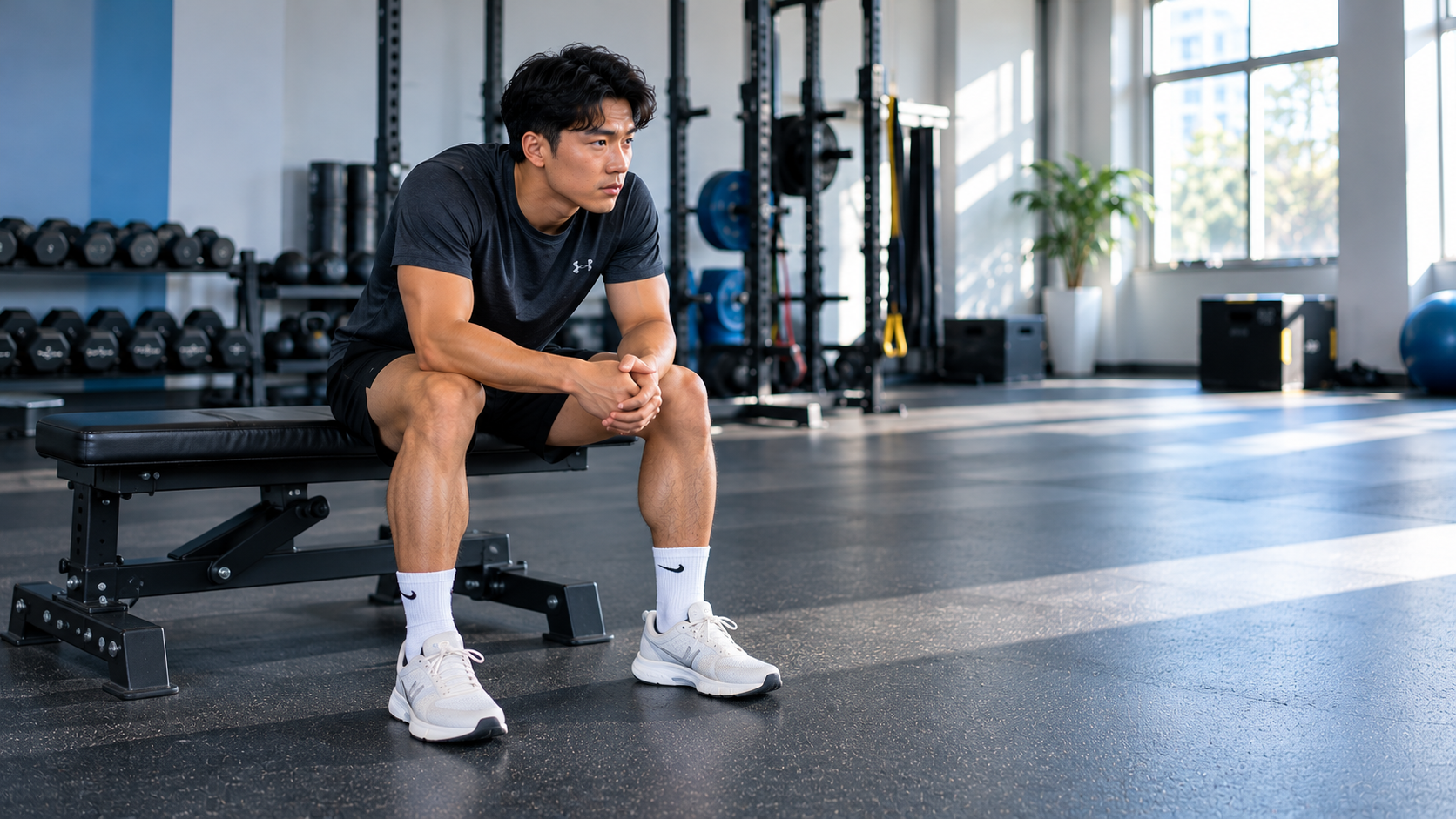
Beyond the physical limitations, athletes may experience frustration, uncertainty, anxiety, or fear about returning to their previous level of performance.
Some may worry about getting injured again. Others may question whether their body can still handle the demands of their sport.
These concerns can persist even after physical symptoms have improved.
Understanding this psychological response is an important part of comprehensive sports rehabilitation.
The Fear of Reinjury
One of the most common psychological barriers following a sports injury is the fear of getting hurt again.
This fear can influence how an athlete moves.
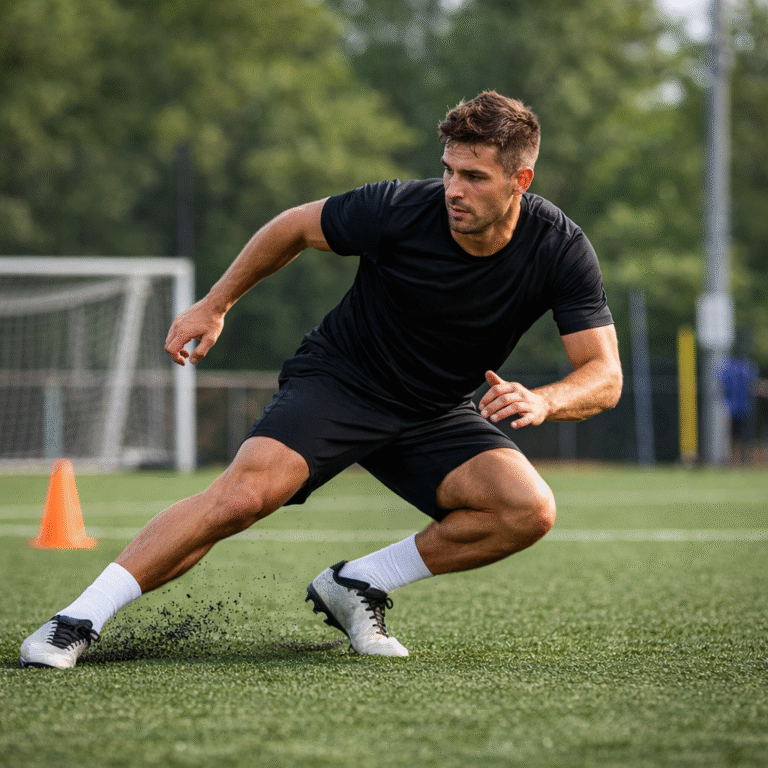
For example, an athlete recovering from an ankle sprain may hesitate during sudden changes of direction. Someone returning from an ACL injury may feel uncomfortable landing or pivoting on the previously injured leg.
These responses can lead to:
Hesitation during sporting movements
Avoidance of certain activities
Reduced confidence in the injured area
Changes in movement strategies
Difficulty returning to previous performance levels
While some caution is appropriate during recovery, persistent fear may limit an athlete’s ability to participate fully in sport.
The goal is not to eliminate every concern, but to rebuild confidence through appropriate preparation and progressive exposure.
Building Confidence Through Movement

Confidence rarely returns simply because an athlete is told they are ready.
It develops through experience.
An important part of rehabilitation is gradually reintroducing movements that the athlete may have been avoiding.
This might begin with controlled exercises in a predictable environment before progressing towards more demanding activities.
For example, an athlete recovering from a knee injury may progress through:
Controlled single-leg strengthening
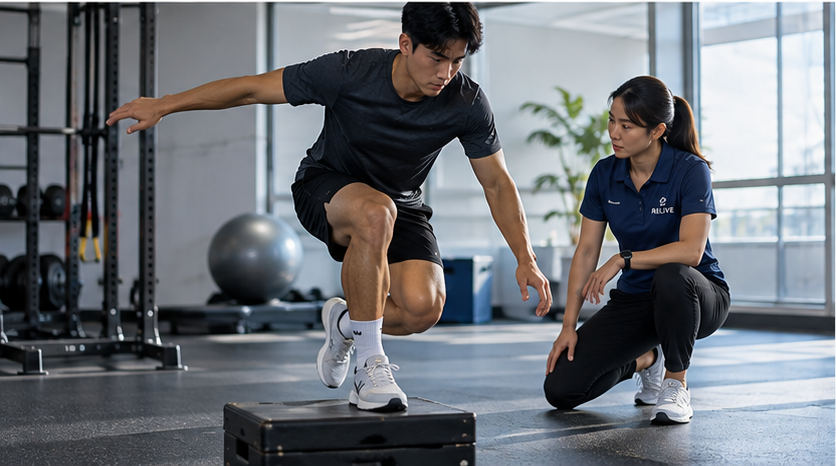
Balance and landing exercises
Jumping and directional changes
Reactive movement drills
Sport-specific training and competition exposure
Each stage provides an opportunity to develop physical capacity while rebuilding trust in the injured area.
Progression should be based on individual readiness rather than a fixed timeline alone.
Physical Readiness and Psychological Readiness
An athlete may demonstrate good strength, mobility, and movement control during assessment but still feel uncertain about returning to competition.
This highlights an important distinction.
Physical readiness refers to whether the body has developed the capacity to meet the demands of sport.
Psychological readiness considers whether the athlete feels sufficiently confident and prepared to participate.
Both matter.
Return-to-sport decisions should consider physical testing, injury-specific requirements, psychological readiness, and the demands of the athlete’s sport.
At Relive, our approach is to recognise these different components rather than relying solely on pain reduction or strength measurements
The Role of Communication in Rehabilitation
Rehabilitation should be a collaborative process.
Athletes need opportunities to express their concerns, understand their progress, and participate in decisions about returning to sport.
Clear communication helps athletes understand:
What their body is currently capable of
Why certain exercises are being introduced
How training demands will increase
What milestones indicate meaningful progress
When additional preparation may be necessary
When athletes understand the purpose behind their rehabilitation, they are better equipped to approach challenging movements with confidence.
Persistent or significant anxiety may also benefit from support from a qualified sports psychologist or mental health professional.
Confidence Is Built Through Preparation
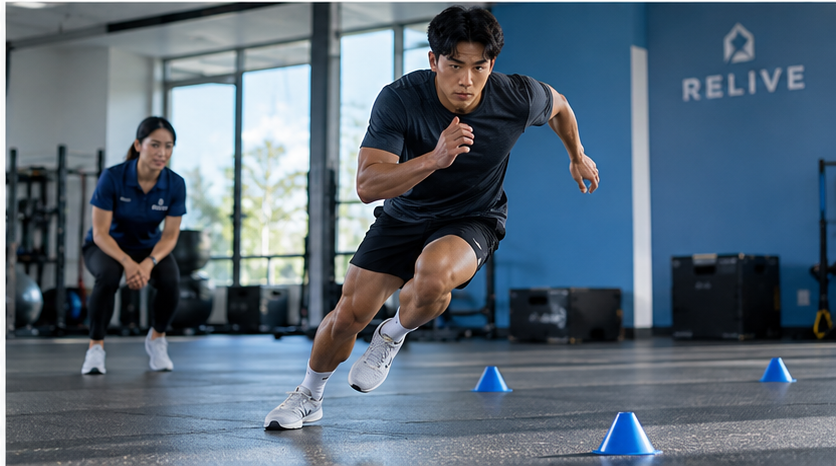
Confidence is not about ignoring risk or pushing through fear.
It comes from knowing that the body has been progressively prepared for the demands ahead.
For some athletes, this means successfully completing repeated landing drills. For others, it may involve returning to contact training, running at higher speeds, or participating in competitive practice.
These experiences help bridge the gap between rehabilitation and actual sporting performance.
The process takes time, but each successful progression can contribute towards rebuilding confidence
At Relive, Recovery Means Being Ready in Body and Mind
Returning to sport is more than achieving pain-free movement or passing a physical assessment.
It is about helping athletes regain the confidence to participate in the activities they enjoy.
By combining progressive rehabilitation, sport-specific preparation, and an understanding of psychological readiness, we aim to support athletes throughout their recovery journey.
Because true recovery is not simply about being physically capable of returning.
It is about being prepared to move forward with confidence.