Living with chronic prostatitis can be incredibly
frustrating and exhausting. It is one of the most common causes of pelvic pain
in men, yet many who experience it feel confused, worried, and often unheard.
Men may notice symptoms such as pain or discomfort during urination, a burning sensation, aching around the pelvis or perineum, difficulty starting the urine stream, or discomfort that seems to come and go without warning. What makes it even harder is that these symptoms can suddenly appear after years of feeling completely normal. Everyday actions—using the toilet, sitting, walking, exercising—can start to feel uncomfortable or painful.
For many men, this experience is not just physical. It can be mentally draining. When tests come back “normal” but the pain is still there, it’s easy to feel frustrated, anxious, or even helpless. You may start questioning your body, wondering why nothing seems to explain what you’re feeling.
While chronic prostatitis is sometimes caused by bacterial infection or prostate inflammation, this is actually less common than many people are led to believe. In many cases, blood tests, urine tests, and scans show no sign of infection, yet the pain continues. This can leave men feeling stuck, unsure of what to do next.
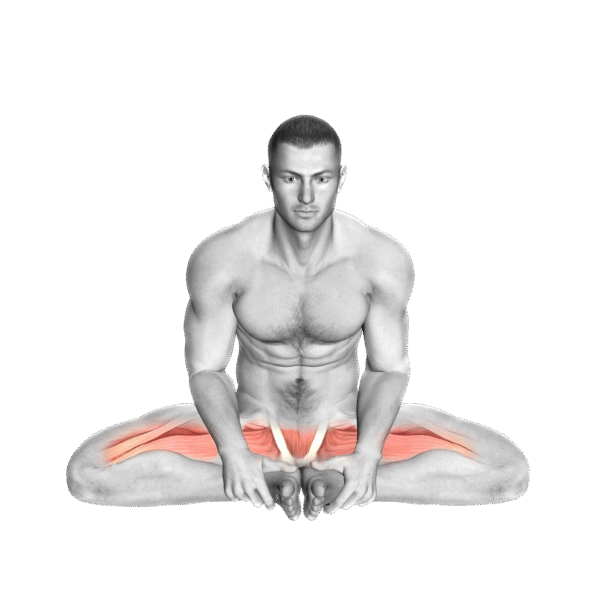
One often overlooked piece of the puzzle is pelvic floor muscle tension. When these muscles become tight or overactive, they can restrict movement, irritate nearby nerves, and create symptoms that closely mimic prostatitis—such as burning, aching, or urinary difficulties. Unfortunately, pelvic floor issues in men are still under-recognised, which means many men go years without the right explanation or help.
The pelvic floor muscles play a crucial role in supporting pelvic organs, controlling bladder function, and allowing comfortable, coordinated movement. When they are not functioning well, the body may respond with pain, sensitivity, or dysfunction—even when medical tests appear normal.
If you’ve been told you have chronic prostatitis or chronic pelvic pain syndrome (CPPS) and your investigations haven’t provided clear answers, know that there are other options. Pelvic floor rehabilitation can help address muscle tension, restore movement, calm irritated nerves, and gradually reduce pain.
Many men are surprised by how much relief is possible once the pelvic floor is properly assessed and treated. Healing may take time, but improvement is achievable—and you don’t have to go through it alone.