Vaginismus is the automatic, or involuntary, tightening of the muscles surrounding the vagina, so much so that it makes insertion or penetration painful and difficult. It occurs when there is an attempt to penetrate or insert something, such as during intercourse, or during the insertion of a tampon.
What happens during Vaginismus
What is supposed to happen normally:
Anticipation/touch -> pelvic floor relaxes -> vaginal opening relaxes -> penetration/insertion occurs smoothly
What happens during Vaginismus:
Anticipation/touch -> pelvic floor contracts -> vaginal opening tightens -> penetration/insertion is resisted -> pain -> more guarding
Vaginismus is not just a simple tightening of the vagina, and it does not mean that the pelvic floor muscles are tight all the time. It is the response of the body in its nervous system, an automatic behavior that can not be helped by just simply stretching the vagina or the pelvic floor muscles. It is often developed because the body has experienced one or maybe repeated, painful or undesirable experiences, hence the body generates a response. What needs to be done is to teach the body, its nervous system and the pelvic floor muscles, to learn to relax and coordinate, to learn to trust, so that it does not tighten upon the anticipation of penetration or insertion.

Can it be treated?
YES. Vaginismus can definitely be helped with!
DOs and DON’Ts
What not to do:
- Don’t force penetration or insertion through the pain
- Don’t repeatedly attempt when the muscles are already in hypertonic mode
- Don’t surprise the person with penetration
- Don’t forcefully stretch your vagina open to insert
- Don’t blame yourself or the person, this condition is an involuntary response
- Don’t repeatedly practice kegels or any other pelvic floor muscle strengthening exercises
What to do:
- Go for an assessment. Find a pelvic floor therapist and/or a gynaecologist to help you
- Practice pelvic floor relaxation, along with deep breathing
- Breathe slowly while softening your abdomen and pelvic floor, especially when anticipating penetration or insertion.
- Progress gradually with touch – touch along the legs or abdomen area and gradually towards vaginal opening to allow the body to learn to relax and be safe.
- Use plenty of lubricant during insertion.
- During intimacy, let the person experiencing vaginismus control the pace, depth, and stopping point. Communicate throughout: “Is this comfortable?” “Should we stop?”
- If sex is the goal, spend time on non-penetrative intimacy while working on the problem. Penetration doesn’t have to be the goal every time.
- If anxiety, fear, previous painful experiences, or trauma are involved, consider a therapist experienced in sexual pain/vaginismus.
- Mentality is powerful : Instead of thinking: “How do I get penetration to happen?” Think: “How do I get my body to feel safe enough that penetration/insertion becomes comfortable?”
How does a Pelvic Floor Therapist help?
1. Assessment
The pelvic-floor therapist will assess to see the condition and situation of your pelvic floor muscles, of your breathing and intra-abdominal pressure regulation. They will check for weakness, tightness, coordination and control.
2. Treatment
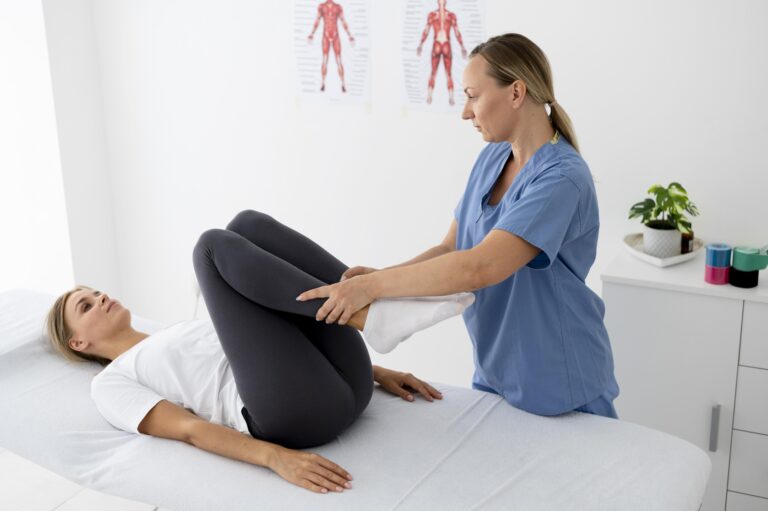
They will guide and teach you to relax, soften or strengthen your abdominal muscles and pelvic floor muscles, along with breathing techniques. They will also see if you need any supplementary treatment from machines or manual therapy.
What's Next?
Feel free to contact us for further assistance! It’s important to have community and professional help to learn through these challenges.