Menstrual Cramps, something to just endure? Why should I treat my physical body (pelvic floor muscles, joints, etc) when my menstrual cramps are caused by hormones and chemical processes?
Menstrual cramps are something that almost all women experience. Some women experience it more severely than others, and often, certain months’ cramps may be worse than other months.
Essentially, menstrual cramps are the result of our uterine muscles contracting, as well as, oxygen deprivation within the uterus. Although the quickest and most effective way to reduce the pain is to eat medication (since these are triggered by chemical / hormonal networks), minimizing the painful effects and facilitating the body’s system from a physical perspective is very much part of managing and having a smooth menstrual cycle.
Why should I treat my physical body (pelvic floor muscles, joints, etc) when my menstrual cramps are caused by hormones and chemical processes?
That’s a good question! The answer is based on the difference between “trigger” and “target”. The trigger here is chemically based (hormones), and the target of the chemical cascade is the uterus which is highly physical and structural, surrounded by a complex network of nerves, ligaments and muscles.
Treating the physical structures would highly influence how it interacts with the chemical processes and pain pathways
Here’s a breakdown:
1. The Chemical-Mechanical Feedback Loop:
Hormones cause physical events. A hormone called Protaglandin, triggers the uterus to contract violently, creating an intense mechanical squeeze (this is the Menstrual Cramps feeling).
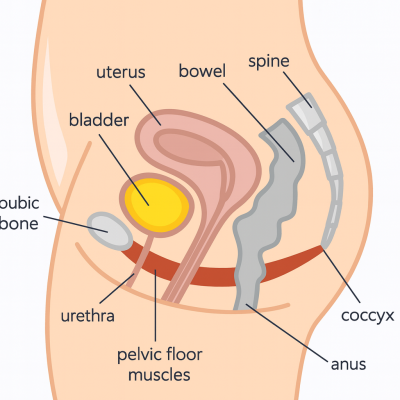
If the surrounding hips, low back, pelvic floor muscles are poorly aligned, tight or stiff, they would restrict the contracting uterus and also further compress neighbouring vascular systems, cutting off oxygen supply, amplifying the contractile pain.
2. Pain Amplified by Secondary Muscular Guarding:
The brain doesn’t easily differentiate a uterus cramp and a pelvic floor muscle cramp, it only registers as a pelvic pain, so when your period arrives and you’re feeling the menstrual cramps, it isn’t solely the uterine cramps, but also the agonizing secondary spasms of exhausted pelvic floor muscles. How did that happen?
Every month, as the uterus undergoes chemical cramping, the surrounding structures, like the pelvic floor muscles, automatically clench, to protect and shield the painful area, this is called Protective Muscle Guarding, a neurological reflex. Over time, these muscles stay locked in a tight state called hypertonicity. Hypertonicity is a big contributor to amplified menstrual cramps. Medications cannot physically un-clench these hypertoned muscles, it requires manual, physical interventions.
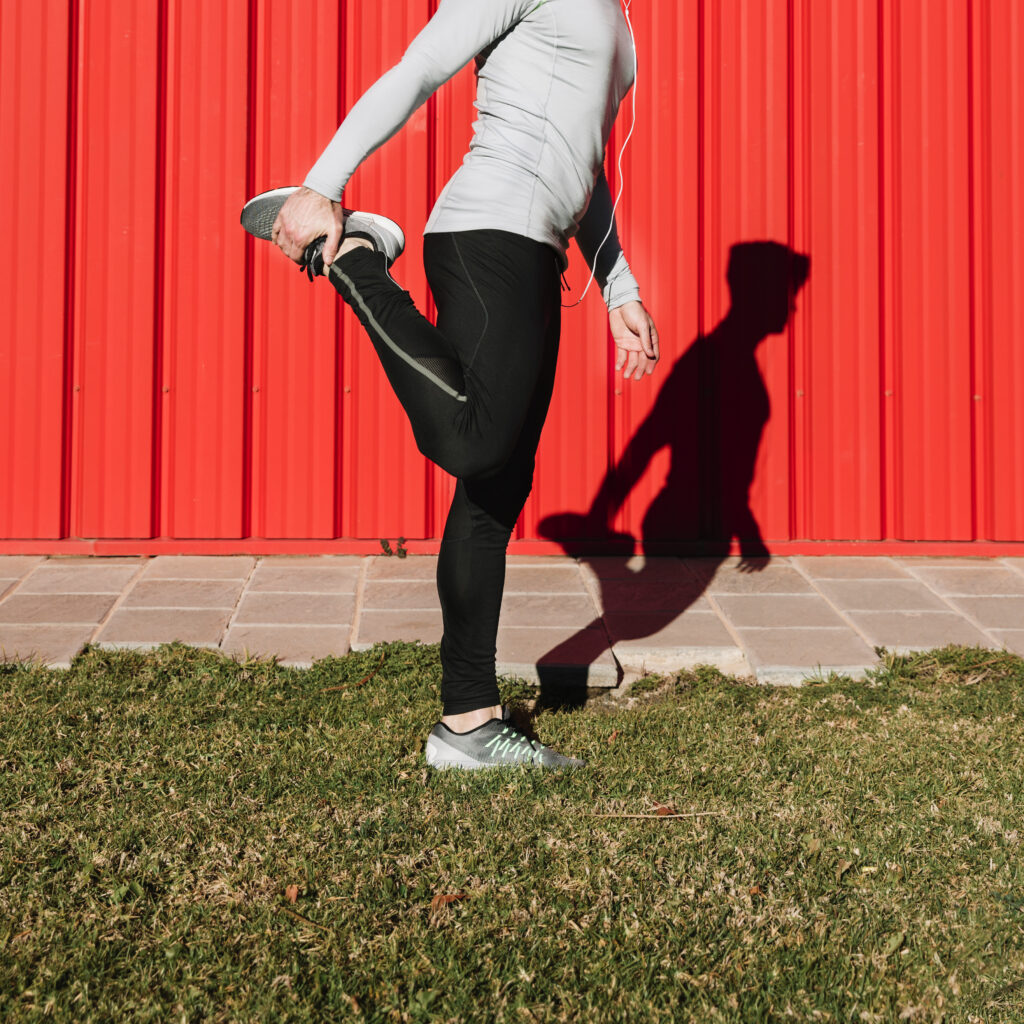
3. The Influence of Physical Movement:
Physical training can actually change your internal hormonal and chemical environment. Established, long-term, consistent physical movement structurally rewires how the body handles hormones.
One way is that the physical exercise causes the body to physically generate lesser pain-inducing prostaglandins, down-regulating the cyclooxygenase (COX) enzyme system.
Another way is that, long-term physical movement enables the growth of a richer network of blood vessels, this process is called Pelvic Angiogenesis. This reduces sharp pain during menstrual cramping, because the highly vascularized uterus can maintain a good oxygen supply, preventing its tissues from oxygen starvation.
4. Overcoming Internal Scar Tissue Restrictions:
Hormones tell the uterus when to shed but they cannot fix where the uterus is moving. If you have scar tissue or other internal adhesions from conditions such endometriosis, hidden infections or past surgeries, your pelvic organs may be very tight or even be “glued” together.
So when the hormones instruct your uterus to contract, the contractions would drag and pull against or on the scar tissues. This physical pulling can stretch local nerves and can also create severe structural pain that no medication can fully dissolve. Manual and physical intervention would help to stretch and mobilise the scar adhesions to allow freedom of movement in your uterus.
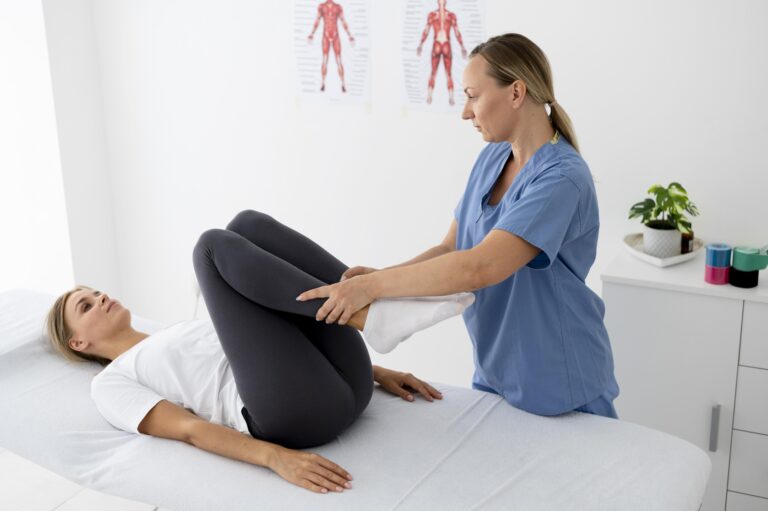
How do Pelvic Floor Physiotherapists help?
Okay, so now we know the relevance of taking care of our physical body to manage menstrual cramps. How do pelvic floor physiotherapists help?
- Exercise Prescription
- Soft tissue manipulation (external and internal)
- Kinesio Taping
- Joint mobilisation
- Exercise Prescription:
We give you exercises you can do to help with your menstrual health and ensure that you’re doing the exercises correctly and effectively.
- Exercises to stretch and strengthen your pelvic floor muscles.
- Exercises to stretch and strengthen your hips and lowback.
- Breathing exercises to regulate your intra-abdominal pressure, which greatly influences your pelvic floor muscles tonicity.
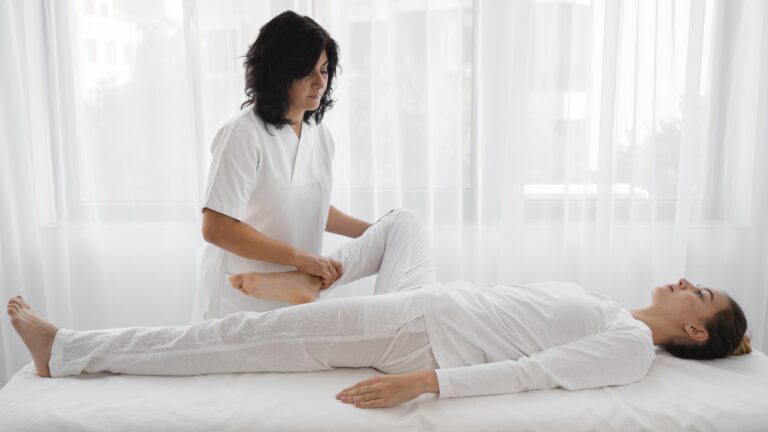
2. Soft tissue Manipulation:
This is to mobilise and stretch out tight muscles and scar tissue, and to enhance blood flow and oxygen supply to the muscles.
- External Manipulation would target postural correction, hip and lowback mobility.
- Internal Manipulation would target pelvic floor muscles.
3. Kinesio Taping:
Kinesio taping can be applied to inhibit your menstrual pain signals, to lift and decompress skin, and trigger the cutaneovisceral reflex. Overall enlightening the painful effects of menstrual cramps.
4. Joint Mobilisation:
Manual joint mobilisations are applied to aching and stiff joints. These gentle, mild stretches, is to calm them down and give more freedom for the joints to adapt to the pushing and pulling of the uterine contractions.
When should I go for Physiotherapy?
Generally, anytime is fine. Depending on the time of your menstrual cycle, the pelvic floor physiotherapist will adapt their approach accordingly.
However, it is important to note that, while it is safe to go for treatment during your menses, it’s highly encouraged to take pelvic floor physiotherapy as a preventive measure, rather than a treatment.
During menses, the physiotherapist will focus on managing the pain to give you more comfort, and also to facilitate the shedding. Off-menses, the physiotherapist can focus on the health and preparation of your body for upcoming menses, which is more ideal for the long-term management of menstrual cramps.
What's Next?
Feel free to contact us at Relive Physio to enquire about our pelvic health services by our Women’s Pelvic Health specialist.