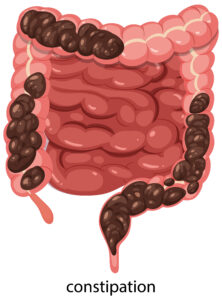
Constipation can be classified into several aspects. It can mean infrequent or minimal defecation, it can indicate difficulty or strain in passing stool, or it can mean that your stool is very hard, dry and/or lumpy. Constipation can be a side-effect to medications, or be an effect of poor diet, or it can also be related to bowel movement and pelvic floor health. Interestingly, constipation and pelvic floor muscles are so closely related that they actually worsen each other in a cycle.
Role of Pelvic Floor Muscles in Defecation
The role of pelvic floor muscles is to:
- Help regulate bowel movement and the passing of stool, by relaxing and contracting appropriately.
- Support the rectum and other internal pelvic organs.
How Constipation affects the Pelvic Floor
- Chronic Straining – Repeated straining over time creates muscle spasms, weakens coordination of the bowel system and tightens the pelvic floor muscles. With these multiple factors, eventually, the pelvic floor muscles are unable to relax properly when needed, especially during defecation.
- Pelvic Floor Dyssynergia happens when your pelvic floor muscles are unable to open properly, or tightens up instead of relaxing during defecation. This is not because of hard or lumpy stool, but instead it indicates an issue with coordination of the bowel movement and pelvic floor muscles . When this happens, often there’s a feeling of stuck poo, or incomplete emptying, or there may be pain or the need to strain and push to get the stool to come out.
- Stool Retention can be caused by and/or can lead to muscle tightening. If there’s hard stool stuck within the colon or rectum, it can stretch or irritate nerves, or cause fatigue, tightening or guarding of pelvic floor muscles.
How Pelvic Floor Muscles Cause Constipation
Pelvic floor muscle dysfunction can cause constipation. This is when the pelvic floor muscles are too tight, can’t relax properly, or are in a spastic condition, hence, even though you may have healthy soft stool, you may still experience constipation due to the condition of the pelvic floor muscles.
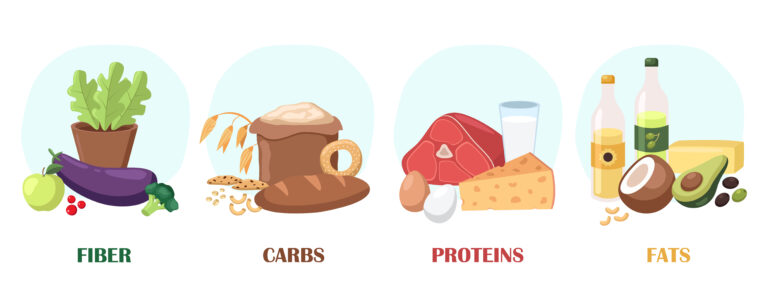
How to tell if it’s a fibre/dietary issue or pelvic floor muscles issue? Or both?
If you are unsure if your constipation is related to issues with the pelvic floor, there are a few things you can take note of;
- If you’re straining despite having soft stool
- If you can poop better in different positions
- If you have a sensation of incomplete emptying or feeling some sort of blockage at the anus
- History of tailbone issue, or having pain at the tailbone area
What’s Next?
As mentioned earlier, constipation and the condition of pelvic floor muscles is in a vicious cycle, one affecting the other, making each other worse each time.
Constipation > Straining > Pelvic Floor Tightness > More constipation > More straining > More tightness
Since it’s a cycle, we need to break this cycle.
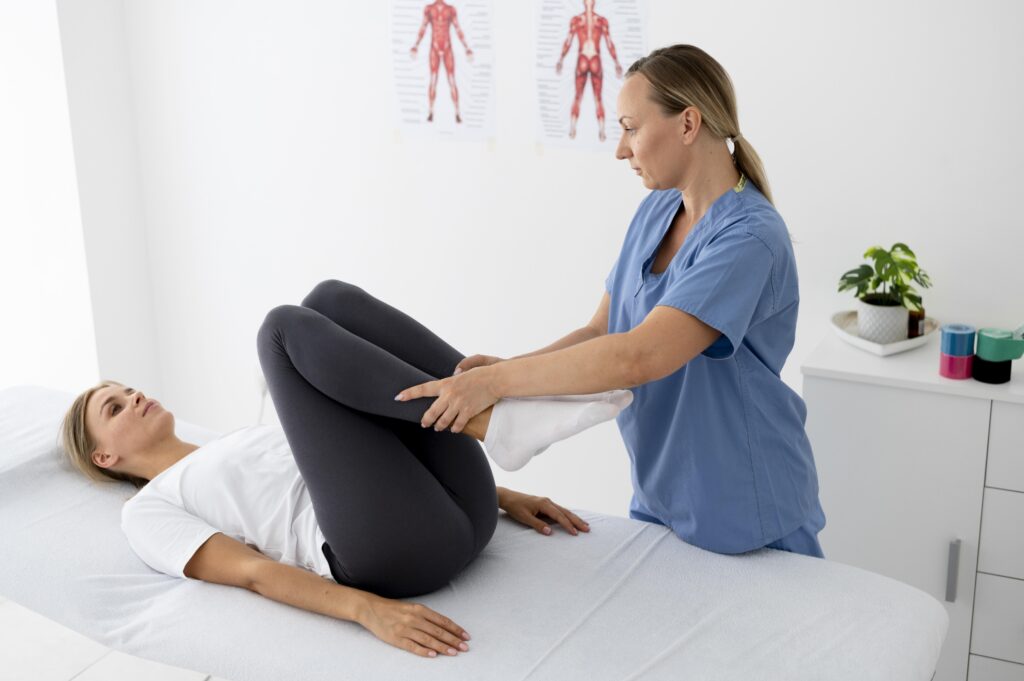
How does Physiotherapy Help?
Pelvic Health Physiotherapists would focus on a couple of areas.
- Breathing Techniques – Pelvic health physiotherapists will ensure you have proper breathing techniques to regulate the relaxation and improve coordination of your pelvic floor muscles. Among the public, there is a lack of awareness of how breathing is coupled with the relaxation and contraction of your pelvic floor muscles, this is often one big factor to why people suffer from pelvic health issues.
- Stretching and Tightening of pelvic floor muscles – Pelvic health physiotherapists will guide you on stretches and exercises that help to stretch and strengthen your pelvic floor muscles. Such are Reversed-Kegels and Kegels. They may also apply certain techniques to help stretch and release tight pelvic floor muscles.