Introduction to Women’s Health

Introduction to Women’s Health

What is Women’s Health?

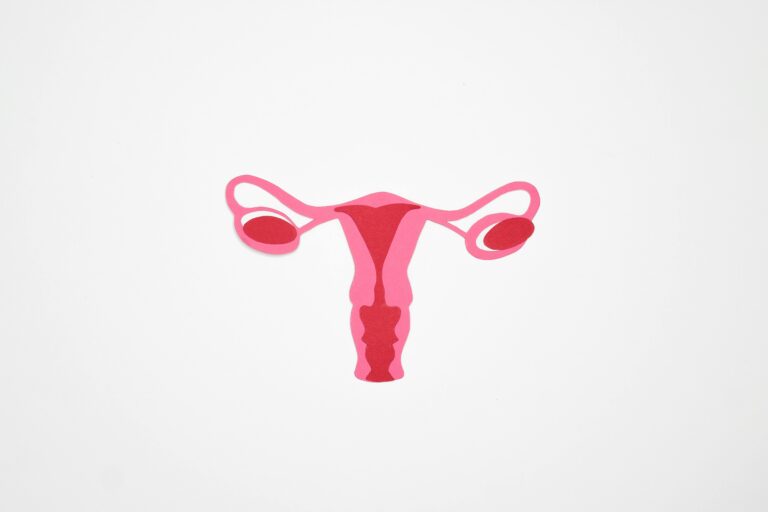
Women’s health refers to the holistic-care of a woman’s well being in her physical, mental, social, emotional and psychological health.

It includes health conditions that are more common in women, unique to women, or present differently in women compared to men.

Conditions that we see at Relive Physio

  1. Pelvic floor issues
  2. Urinary/Fecal Incontinence
  3. Pelvic Organ prolapse
  4. Pelvic pain
  5. Pre and Post-natal care
  6. Post-Surgery (eg. hysterectomy)
  7. Diastasis Recti

What do we do at Relive Physio to help you?

Firstly, we begin your session with a casual conversation with you, to get to know about your experience with your condition. This gives us an idea of your condition, how you are personally experiencing the symptoms of the condition and how it affects your daily life. Like for example, if you are having any incontinence, pain as you go to the toilet, or maybe even stomach bloating.

We would also want to know what you want to achieve in coming to see us. Whether it’s just for recovery, or whether you are concerned about health complications that could come, or if you want to take preventive measures.

After our chit-chat, we will conduct assessments to see what your body tells us about your condition.

When it comes to pelvic health, we include external and internal assessment and treatment of the pelvic floor muscles and sensitive body part areas. This is when we palpate your pelvic floor muscles, analysing its tightness and strength, but do not worry, this is only if you give us full consent. Even if at first, you are okay with it, but then change your mind during the assessment, that you would rather not continue with the assessment, that’s alright too!

Aside from the pelvic floor, we will observe the posture of your pelvis (hip) and back, to see if there are any postural abnormalities and another component we look at is your breathing. This is important, as the diaphragm works very closely with the pelvic floor to ensure a healthy pressure system in your body.

Hence, good, deep breathing patterns are an essential element to the functions of a healthy pelvic floor.

Throughout this whole time of assessing, we will tell you what we find and what it means.

After assessment, next is treatment! We treat pelvic health conditions using hands-on manual therapy and electrotherapy. With your consent, manual therapy and the machines will be applied upon the pelvic floor muscles and soft tissues of the body’s sensitive areas.


For manual therapy, we usually focus on soft tissue mobilisation, to release or relax the pelvic floor muscles or other muscles related to pelvic health. For joint mobilisation, we gently stretch and mobilise your pelvic bones to improve their range of motion, and often, this would relax tight pelvic floor muscles too. 


We use electrotherapy, like shockwave, ultrasound and electrical stimulation to enhance healing and to relax or stimulate the pelvic floor muscles to contract.

Following treatment, we usually teach you several stretching and strengthening exercises that are specific to your needs. Exercises such as pelvic floor relaxation or strength training and deep breathing exercises. Some of these exercises can be done at home for you to maintain and sustain your recovery between any follow-up sessions with us.

Generally, we structure our treatment and rehabilitation accordingly, to meet your goals you’d like to achieve with us. Throughout the session, we will also help you learn more about your body and your condition and also answer any questions you may have.

If you have any enquiries or would like to speak to us directly, feel free to click on our whats-app icon to chat with us!