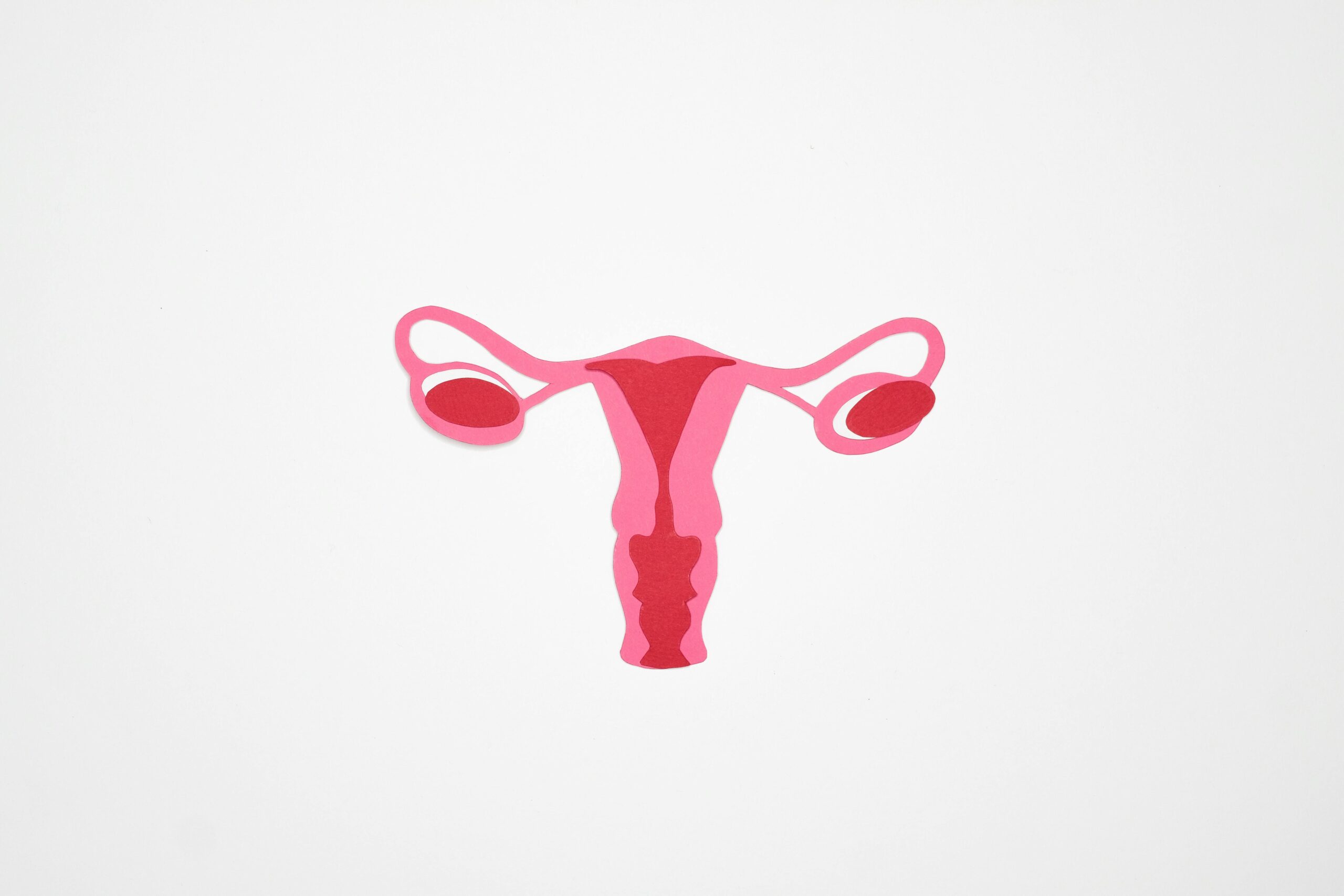
What is Uterine Prolapse?
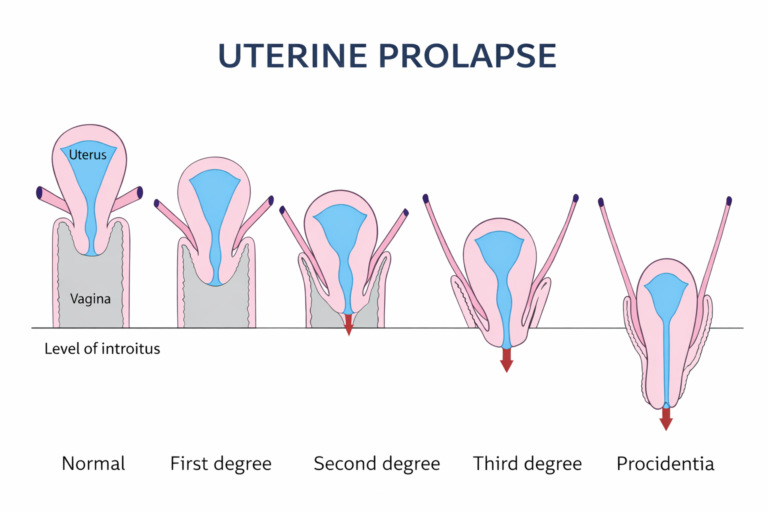
Uterine prolapse is when the uterus slips down from its original position, into the vagina. This happens because there is inadequate support given to the uterus, due to weak or overly stretched pelvic floor muscles and ligaments. The degree of the prolapse depends on how far down the uterus has fallen into the vaginal canal.
The first degree is when the uterus slips only up til the upper part of the vagina.
The second degree is where the uterus slips until the opening of the vagina.
The third degree is when the uterus is protruding out of the vagina.
The fourth degree (a.k.a Procidentia) is when the entire uterus is out of the vagina.
Symptoms
Symptoms that one may experience would vary, depending on the degree of prolapse one has. For the first degree, most people have no symptoms, but as the condition progresses, one may experience a few or multiple various symptoms, such as:
- A pulling or heavy sensation in their pelvis or lower abdomen
- A feeling like something is falling out
- A lump or bulge sensation (like as if sitting on a small ball)
- Protruding tissue that they can see or feel at the entrance of the vagina
- Difficulty in or incomplete urination
- Constipation
- Pressure or fullness in the bowel or abdomen area
- Low back discomfort
- Pain or “something in the way” during sexual intercourse
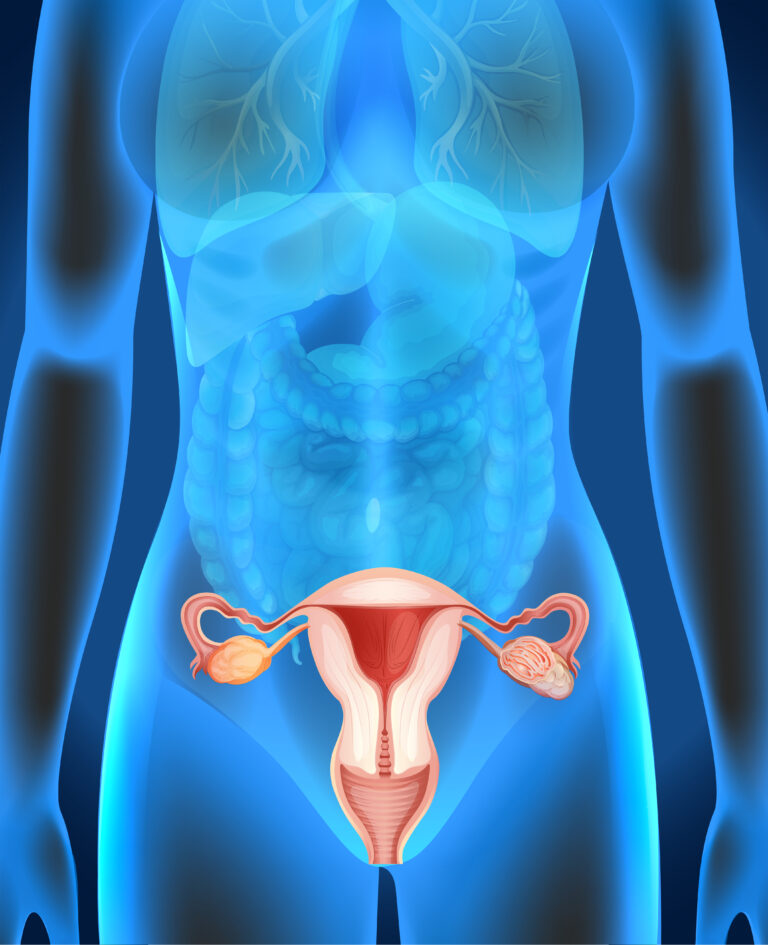
Can it be helped?
Uterine prolapse is treatable and in many cases, there is significant improvement, especially if caught in the early stages. How the most suited treatment is determined would depend on the severity and symptoms of the person. The first line of treatment would be to be non-surgical and see a Pelvic Health Physiotherapist.
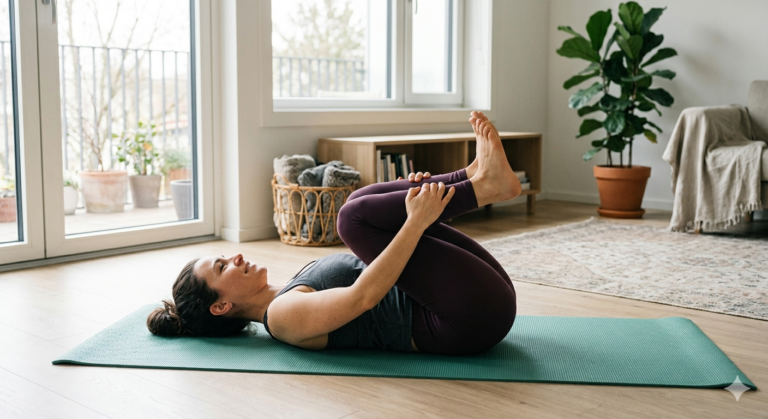
How do the Pelvic Health Physiotherapists at Relive Help?
There are several aspects our Pelvic Health Physios will work on:
1. Strengthen the pelvic floor muscles: The main reason why a uterus slips down is due to the weak and overly stretched pelvic floor muscles and ligaments, hence, this problem is the top priority in treatment.
There are two things the physio will look at, one is posture and movement. This is to see if there are other weak, tight or overactive muscles that may be the reason why your pelvic floor muscles and ligaments are weak or overly stretched. Treatment and exercises will be prescribed and taught to help improve any abnormalities found in the posture and movement.
Two, the physio will directly work on the pelvic floor muscles and ligaments. The key exercise taught will be the kegel exercise, then to progress recovery, other exercises are used to apply with kegel exercises.
Manual therapy may be offered, to improve direct treatment on the pelvic floor muscles.
2. Reduce pelvic pressure: This is where correct breathing techniques are important. Improper breathing techniques often cause imbalance in the intra-abdominal pressure and also relevant muscles are either underutilised or over utilised. On top of that, learning how to partner breathing with pelvic floor contraction and relaxation, is crucial to properly regulate the intra-abdominal pressure so that there is a healthy amount of pressure applied on the pelvic floor muscles.
3. Changes in Daily Life: The physio will go through with you your lifestyle, daily habits and activities, such as your toilet habits and exercise routines, and they’ll advise you accordingly. For example, if you tend to stand or walk a lot everyday, the physio may advice you to rest and sit down more during your time of recovery and rehab.
What's Next?
Prevention is better than cure. Having weak and overly stretched pelvic floor muscles and ligaments rarely happen overnight, it’s a gradual thing that develops over time. The majority of women are having tight or weak pelvic floor muscles without even knowing it. It would be helpful to already start working on having healthy pelvic floor muscles. Feel free to contact us at Relive to see our pelvic health specialists.