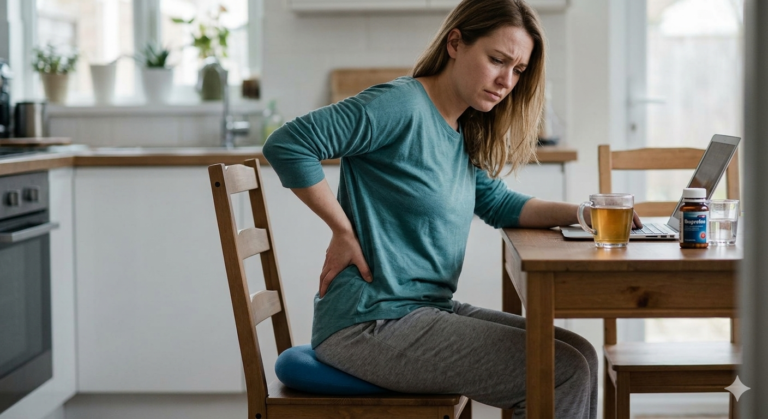
Felt Like You’re Sitting on a Golf Ball?
If you are a man and sitting for a long time causes a feeling of pressure, fullness, aching or a “golf ball” sensation between your legs, the discomfort may be coming from your perineum and pelvic floor.
Some men describe it as feeling like they are sitting on a small ball, sitting on something hard, or having pressure deep inside the pelvis. The discomfort may become more noticeable after sitting at a desk, driving, gaming or working for several hours.
Why Does Sitting Cause Perineum and Pelvic Floor Pain?
When you sit, your pelvis carries much of your body weight. Staying in the same position for a long time can increase pressure around the sitting bones, perineum and pelvic floor.
Your pelvic floor muscles can also become tense. These muscles work continuously to support the bladder and bowel and are involved in sexual function. If they remain tense for long periods, some men may experience aching, pressure or discomfort around the perineum.
Your sitting position can make this worse. Slouching, leaning to one side, sitting with your pelvis tucked underneath you, or constantly clenching your buttocks and pelvic floor may increase pressure or muscle tension.
How Should Men Sit to Reduce Perineum Pain?
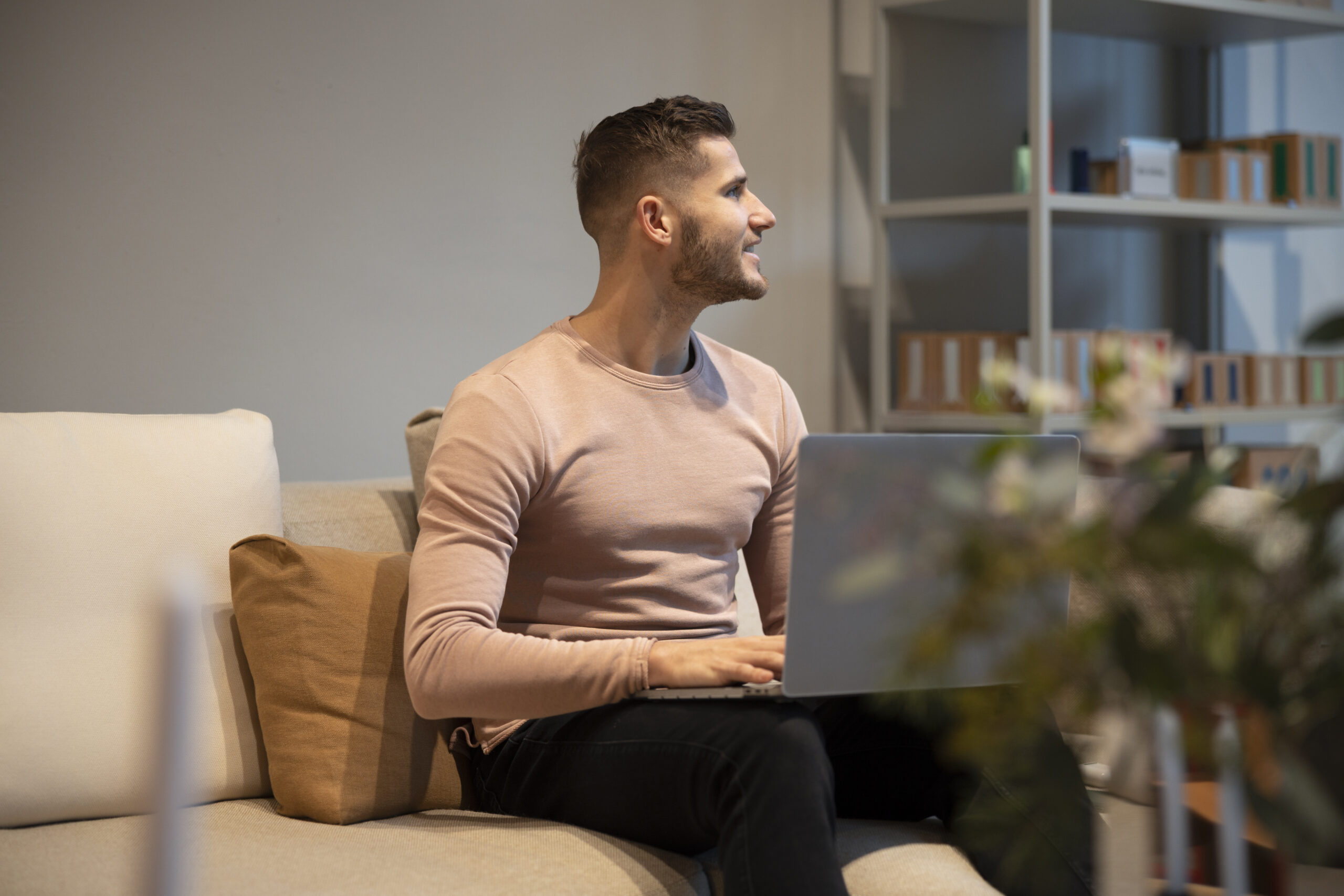
First, avoid sitting directly on the area that feels painful. Try to distribute your weight between both sitting bones rather than collapsing backward onto your tailbone or leaning heavily to one side.
Keep both feet supported on the floor and allow your pelvis to sit in a comfortable, natural position. You do not need to force yourself to sit perfectly upright all day.
Most importantly, don’t stay in the same position for hours. Stand up, walk around and change your sitting position regularly. Even a few minutes of movement can help reduce prolonged pressure on the pelvic floor.
Donut vs U-Shaped Cushion: Which Should You Choose?
If your symptoms are mainly around the perineum, neither cushion should be considered a guaranteed solution. The goal is to reduce excessive pressure without creating new pressure somewhere else.
A simple way to think about it is:
Donut cushion – If the pressure around the central sitting area
U-shape – If the pressure or pain is around the coccyx/tailbone
Falt supportive cushion – General sitting discomfort or pressure distribution
If a cushion makes your symptoms worse, causes more pressure around your perineum, or makes you feel like you are sitting on the edges of the cushion, it may not be the right option for you.
Don't Forget Your Pelvic Floor Muscles
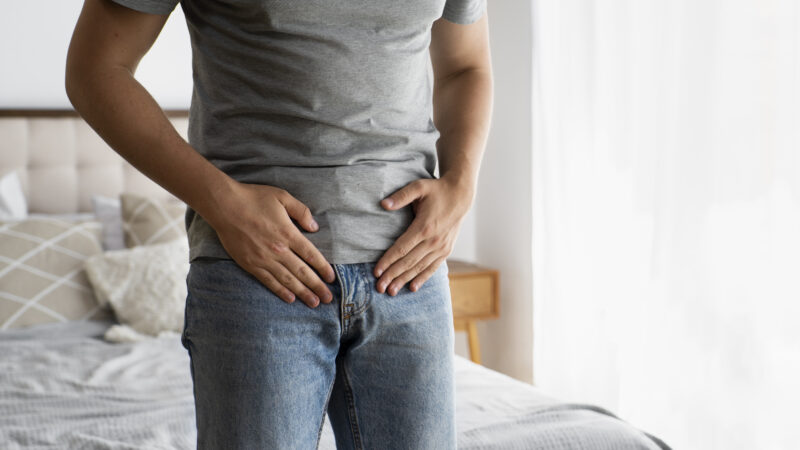
Many men focus entirely on their sitting position and forget about what their pelvic floor muscles are doing.
If you are constantly tightening your pelvic floor, squeezing your buttocks or bracing your abdomen while sitting, these muscles may never get a chance to fully relax.
Try taking a slow breath into your belly and allowing your abdomen and pelvic area to relax as you breathe out. The goal is not to force the pelvic floor down, but to avoid unnecessary clenching and tension.
The Bottom Line
Pelvic floor pain in men can have different causes, so repeatedly changing cushions without understanding the problem may not give you lasting relief.
If the sensation continues, a proper men’s pelvic health assessment can help identify whether your symptoms are related to the pelvic floor or another part of the pelvis.