
Frequent Urination: Is It Caused by an Overactive Bladder or Overactive Pelvic Floor?
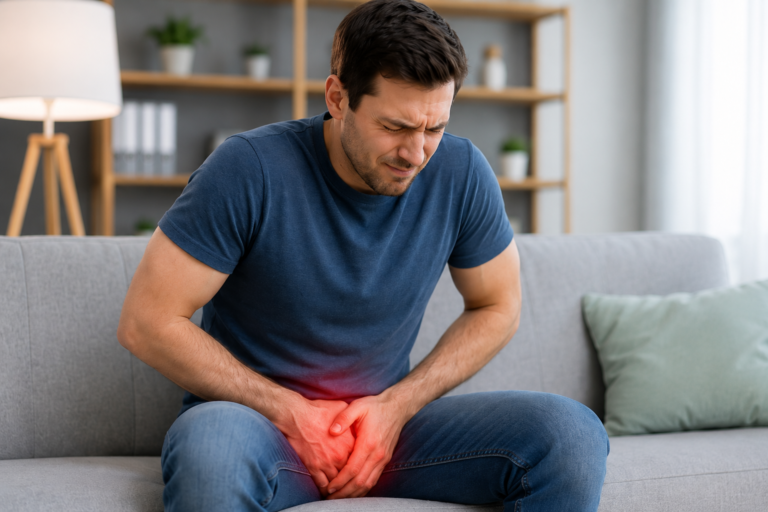
Frequent urination is a common symptom that affects many people and can significantly impact daily activities, sleep, work, and social confidence. While frequent trips to the toilet are often associated with an overactive bladder, another possible contributor is an overactive pelvic floor.
The pelvic floor muscles play an important role in controlling bladder function. When these muscles become too tight or remain constantly activated, they may affect communication between the bladder, nerves, and brain, creating a persistent urge to urinate even when the bladder is not completely full.
Understanding the relationship between frequent urination, overactive bladder, and overactive pelvic floor muscles is important because the correct treatment depends on identifying the underlying cause. In some cases, strengthening exercises alone may not improve symptoms if the main issue is pelvic floor muscle tension and poor relaxation.
What Causes Frequent Urination?
An overactive bladder (OAB) refers to a group of urinary symptoms that occur when the bladder becomes too sensitive or contracts involuntarily.
Common symptoms include:
- A sudden and strong urge to urinate
- Frequent trips to the toilet throughout the day
- Waking up multiple times at night to urinate
- Difficulty delaying urination
- Urine leakage before reaching the toilet (urge incontinence)
Many people with overactive bladder symptoms experience disruption to their daily activities, sleep, work, and social life.
However, the bladder is not always the only factor involved. The pelvic floor muscles, nerves, and bladder habits also influence bladder control.
How Does an Overactive Pelvic Floor Cause Bladder Urgency?
The pelvic floor muscles and bladder work together as part of the urinary system.
Normally:
- The bladder fills gradually.
- The pelvic floor muscles stay relaxed while the bladder stores urine.
- When it is appropriate to urinate, the pelvic floor relaxes and allows urine flow.
With an overactive pelvic floor, the muscles may stay partially contracted all the time. This can cause:
1. Increased Sensitivity Around the Bladder
Tight pelvic floor muscles can irritate surrounding nerves, making the bladder feel more sensitive. This may create the sensation of needing to urinate frequently, even when the bladder is not full.
2. Poor Muscle Coordination
Some people may struggle to relax their pelvic floor muscles when urinating. This can result in:
- Weak urine flow
- Difficulty emptying completely
- Needing to return to the toilet shortly after urinating
3. A Cycle of Urgency and Muscle Tension
When someone frequently experiences urgency, they may unconsciously tighten their pelvic muscles to prevent leakage. Over time, this can create a cycle where increased muscle tension leads to even more urgency.
Why Am I Urinating So Frequently?
Common reasons include:
- Drinking excessive fluids or caffeine
- Bladder irritation
- Urinary tract infection
- Overactive bladder
- Pelvic floor muscle dysfunction
- Poor bladder habits
- Stress and anxiety affecting bladder sensitivity
(Important: Consult a doctor if there are signs of infection, blood in urine, fever, or sudden changes.)
Can Tight Pelvic Floor Muscles Cause Frequent Urination?
Many people assume bladder symptoms are caused by weak pelvic floor muscles. However, muscles that are too tight can also affect bladder control. A tense pelvic floor may send increased signals to the bladder, creating urgency and frequent urination even when the bladder is not full.

How Pelvic Floor Physiotherapy Can Help?
Pelvic floor physiotherapy focuses on assessing how well your pelvic muscles function, not just whether they are strong or weak.
A physiotherapist may assess:
- Pelvic floor muscle strength and relaxation
- Muscle coordination during bladder activities
- Breathing patterns
- Posture and movement habits
- Bladder habits and symptoms
Treatment may include:
Pelvic Floor Relaxation Training
Helping tight pelvic muscles learn how to relax properly.
Breathing and Relaxation Techniques
Using breathing strategies to reduce unnecessary pelvic tension.
Bladder Training
Teaching healthier bladder habits to gradually improve bladder control.
Manual Therapy
Addressing muscle tightness and areas contributing to discomfort or sensitivity.