By Danny Cheng, Relive Physiotherapy & Rehabilitation · Aman Suria, Petaling Jaya
A message pops up in your WhatsApp group: “Pickleball tonight?”
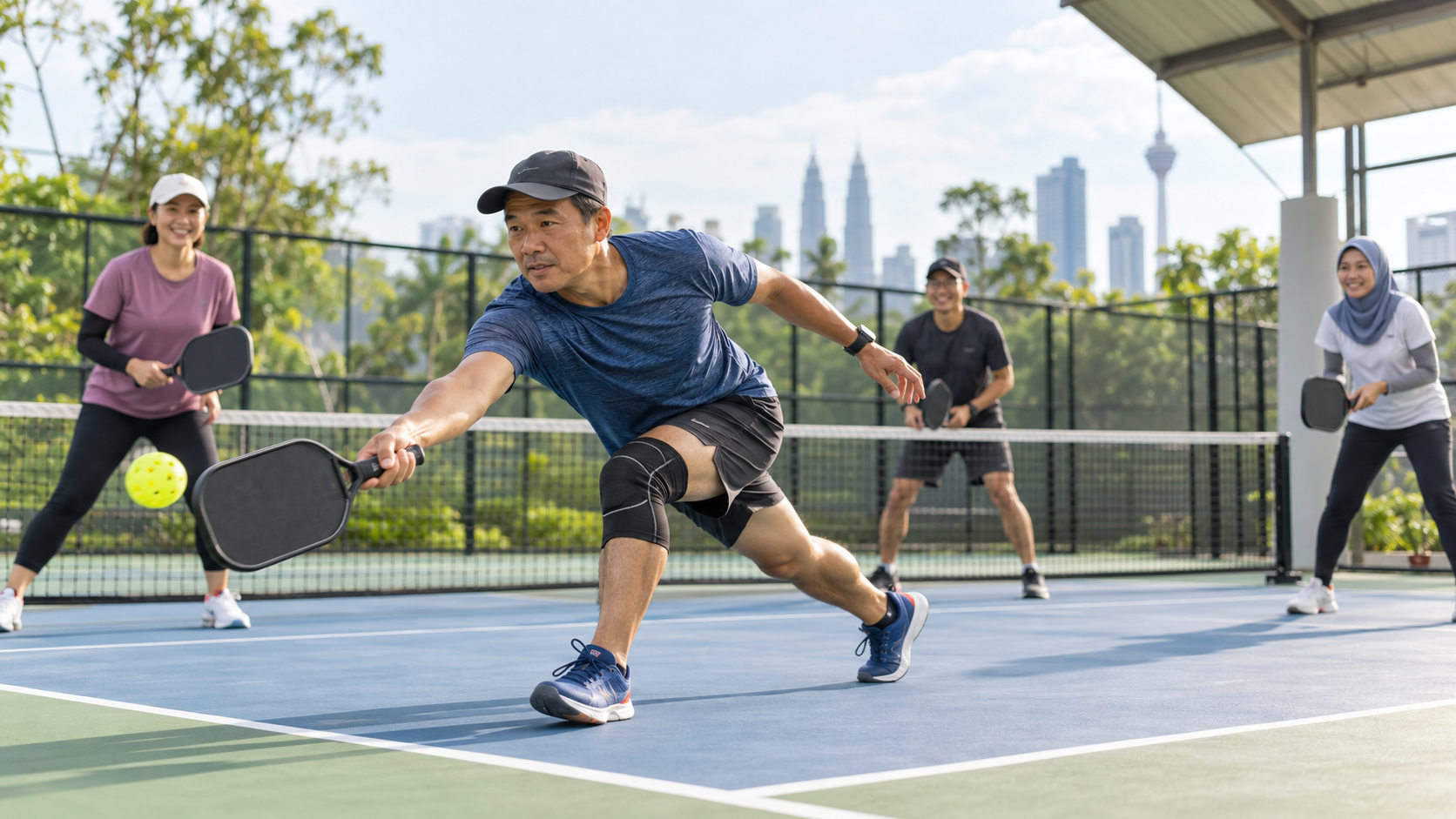
You think, why not? It’s a small court, and it looks easier than badminton. One game turns into three. Then someone says, “Last game lah!” — but somehow you’re still playing an hour later.
You feel fine going home. The next morning, you walk down the stairs for breakfast and… alamak, sakit lutut!
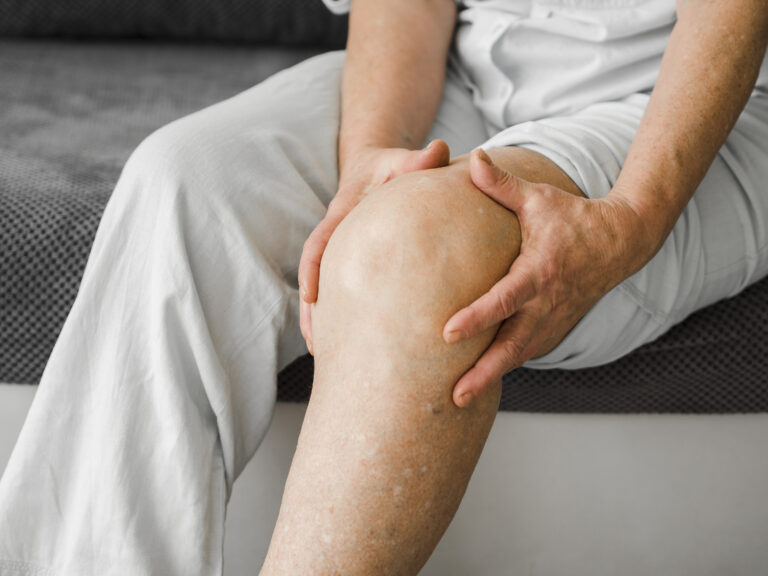
That’s the confusing part about pickleball knee pain. The game didn’t seem that difficult, so why are your knees complaining the next day?
Why Does Pickleball Knee Pain Happen?
The court may be small, but your legs are busy. You move sideways, stop suddenly, bend to reach a low ball, and push off again. All those quick movements ask your knees, hips and calves to work hard.
If you spend most weekdays sitting at a desk and suddenly play for two hours, that’s a big jump in activity. Your knees may not be used to it yet.
Does pain mean something is torn? Not necessarily.
It could be irritation from doing more than your knee can comfortably handle right now. But knee pain can also come from a tendon, an existing joint problem, or an injury during play.
The important thing is to understand what your knee is reacting to.
3 Things That Can Help With Pickleball Knee Pain
1. Don't Let “One More Game” Become Two Hours
You don’t have to give up pickleball just because your knee felt sore after playing. But you may need to dial things back for now.
Start with shorter sessions. Rest between games instead of playing back-to-back, and give yourself recovery time before another long session.
Most importantly, check how your knee feels that evening and the next morning.
Why it helps: Your body adapts to activity gradually. If every session leaves you more sore or swollen, the current amount may be too much.
2. Warm Up Before the First Serious Rally
Coming straight from work, putting on your shoes and chasing the first ball is tempting.
Give your legs a few minutes first.
Walk briskly, do a few gentle mini squats and controlled side steps, then start with easy rallies before going all-out.
Wear court shoes suited to side-to-side movement, too.
Why it helps: You’re preparing for the same movements you’ll use during a game, rather than asking your legs to go from sitting to sudden lunges.
3. Try Two Exercises for Better Knee Control
Pickleball isn’t just about moving quickly. Your legs also need to slow you down when you stop or change direction.
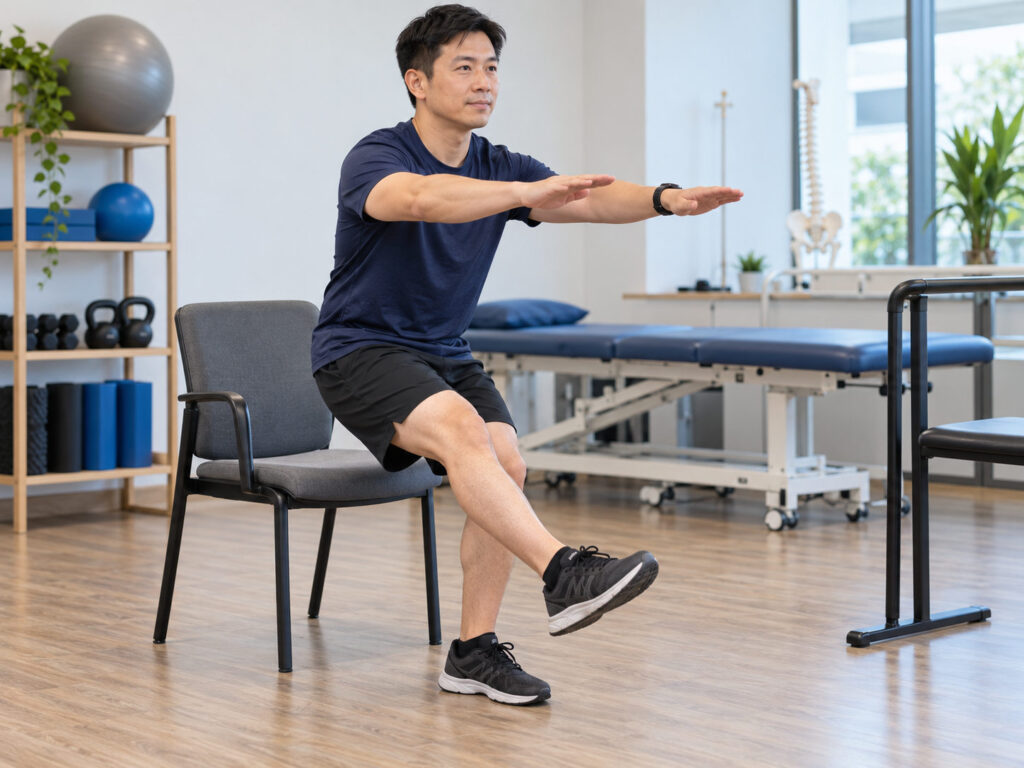
Exercise A — Single-Leg Sit-to-Stand
Sit on a firm, higher chair. Try standing up using one leg, then lower yourself slowly. Keep a stable support nearby.
Start with around 5 controlled repetitions per side. If that’s too difficult or painful, begin with both feet on the floor.
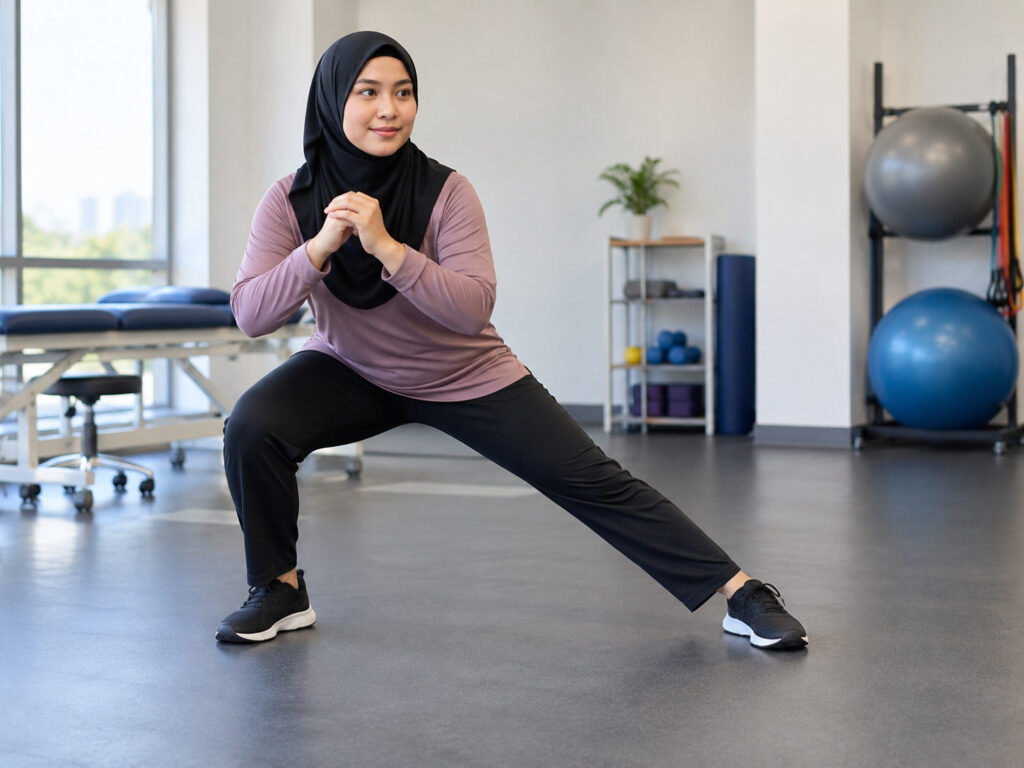
Exercise B — Mini Side Lunge
Take a small step sideways, shift your weight onto that leg and bend the knee a little. Push back to the middle.
Try 6 slow repetitions per side, keeping the movement shallow and comfortable.
Why they help: These exercises practise single-leg strength and sideways weight control — both useful when reaching and stopping on court. They aren’t suitable for every painful knee, so reduce the difficulty if symptoms increase.
Should You Keep Playing If Your Knee Hurts?
A little muscle soreness after a new activity can be normal. If discomfort is mild, settles quickly and doesn’t affect walking, shorter games may be reasonable.
But if your knee hurts after every session, swells, or makes stairs uncomfortable, don’t just put on Yoko Yoko and tahan until the next match.
Get it assessed.
If you twisted your knee, developed rapid swelling, can’t put weight on it, or it locks or gives way, seek prompt medical assessment.
If stairs are also bothering you, you can read our guide on why your knee hurts when climbing stairs or squatting.
At Relive Physiotherapy in Aman Suria, Petaling Jaya, we assess your symptoms, strength and movement, then work out how to help you build back up safely.
You don’t necessarily need to quit pickleball. You need to know what your knee can handle right now.
Experiencing knee pain after playing pickleball?
Contact Relive Physiotherapy in Aman Suria, Petaling Jaya for a knee assessment.
WhatsApp us at 010-766 7366 to book an appointment.
Quick Answers
- Is pickleball bad for your knees?
Not automatically. It keeps people active, but sudden stops and sideways movements can be demanding, especially when you’re new to the sport.
- Why does my knee hurt the day after pickleball?
Your knee may be reacting to a sudden increase in activity. Persistent joint pain or swelling, however, deserves assessment rather than guesswork.
- Can I still play pickleball with mild knee pain?
Sometimes, with shorter sessions and less intensity. Stop if the pain worsens, changes how you move, or causes swelling.
- Should I wear a knee brace when playing?
A brace may help certain knee conditions, but it doesn’t replace an assessment, strength work or sensible activity changes.
- Where can I get physiotherapy for pickleball knee pain in Petaling Jaya?
Relive Physiotherapy in Aman Suria, Petaling Jaya offers knee assessment and rehabilitation for sports-related symptoms, including pain after pickleball.